
August 3, 2026
Call (416) 828-6976What Actually Happens When You Call an Emergency Electrician
Most people calling an emergency electrician have never done it before. They're not sure if what they're seeing actually qualifies, whether it can wait until morning, or what it's going to cost if they call now instead of tomorrow. Here's what the process actually looks like, so you're not guessing in the moment.
The Phone Call Is a Real Diagnosis, Not Just Booking
When you call, you're talking to a licensed electrician, not a dispatcher reading from a script. They'll ask specific questions: where the smell or spark is coming from, whether the breaker trips immediately or after a delay, whether the outage is just your home or the whole street. That conversation is doing real diagnostic work, and it's often enough to tell whether you need someone there in the next twenty minutes or whether it's genuinely safe to wait for a scheduled visit instead.
What Actually Counts as an Emergency
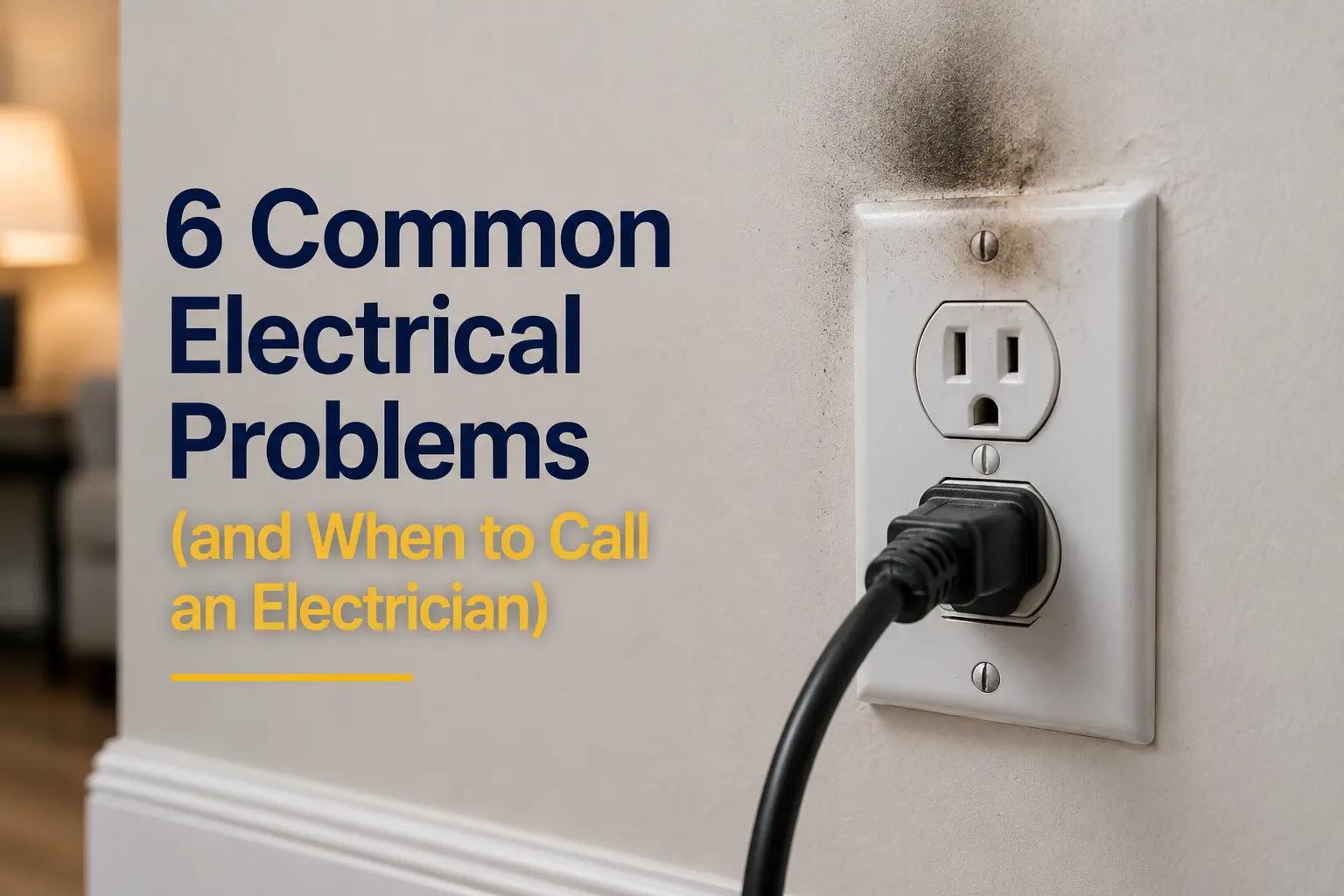
A surprising amount of what people worry about isn't urgent, and a few things that seem minor are. The clear emergencies: a burning smell from an outlet, switch, or panel; visible sparking; a total loss of power that isn't a neighbourhood-wide outage; and a breaker that won't reset or keeps tripping, especially if the panel cover feels warm. A single dead outlet, a light that's flickered the same way for months, or a breaker that trips once under an obvious overload usually aren't emergencies, they're worth a call, just not a 2 a.m. one.
Should You Do Anything Before We Arrive?
Sometimes shutting off the affected breaker or the main is the right move, and sometimes it isn't, it depends on what's actually happening. This is exactly why the phone triage matters: generic advice like "always kill the main breaker" can be wrong for your specific situation, and the electrician on the phone will walk you through the right immediate step rather than a one-size-fits-all instruction.
Dispatch and What Happens On-Site
For a confirmed emergency, expect someone at your door typically within the hour. The first priority on arrival isn't necessarily the full repair, it's making the property safe: isolating the fault, confirming nothing is actively at risk of igniting or shocking someone. Once that's done, you'll get a plain explanation of what's wrong and a price before any repair work starts.
After-Hours Pricing, Explained Upfront
Emergency rates at night or on weekends are higher than a scheduled daytime appointment, and that gets said on the phone before anyone is dispatched, not discovered on the invoice. If the on-site diagnosis points to something bigger than the immediate fix, like a panel that's genuinely due for replacement, that gets quoted and scheduled separately as normal, non-emergency work instead of being bundled into the after-hours rate.
Calling When You're Not Sure Is the Right Call
If you're on the fence, call anyway. If it turns out not to be urgent, the electrician will tell you plainly and help you book a normal appointment instead, there's no penalty for checking. What you don't want to do is talk yourself out of calling something that turns out to matter.
We provide 24/7 emergency electrical response across Toronto and the GTA, with the same licensed, code-compliant standard as scheduled work. Contact us any time, or see our emergency electrician page for the warning signs worth acting on right away.
Related Service
24/7 Emergency Electrician
Round-the-clock emergency electrical response for power outages, sparking outlets, and burning smells.
Get Started
Request a Quote Today
Tell us about your project and we'll get back to you with a quote.
(416) 828-6976