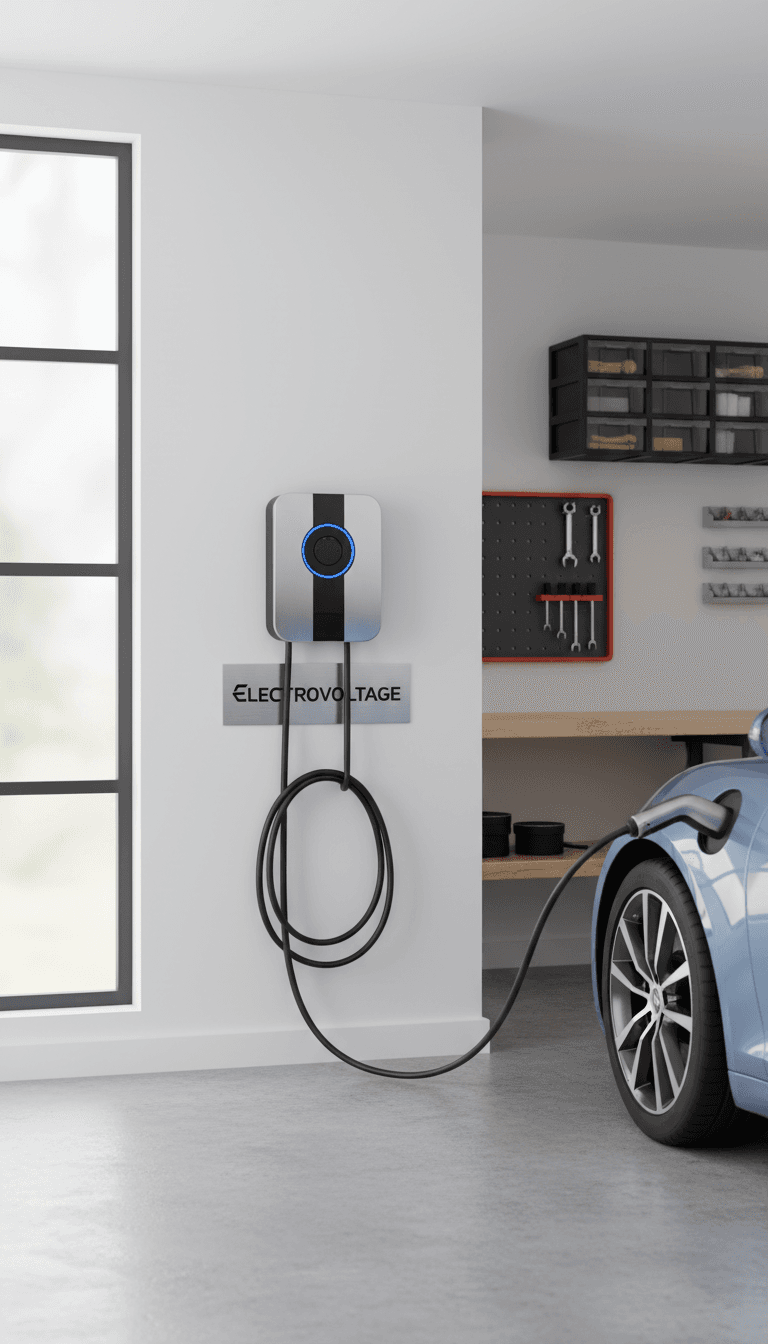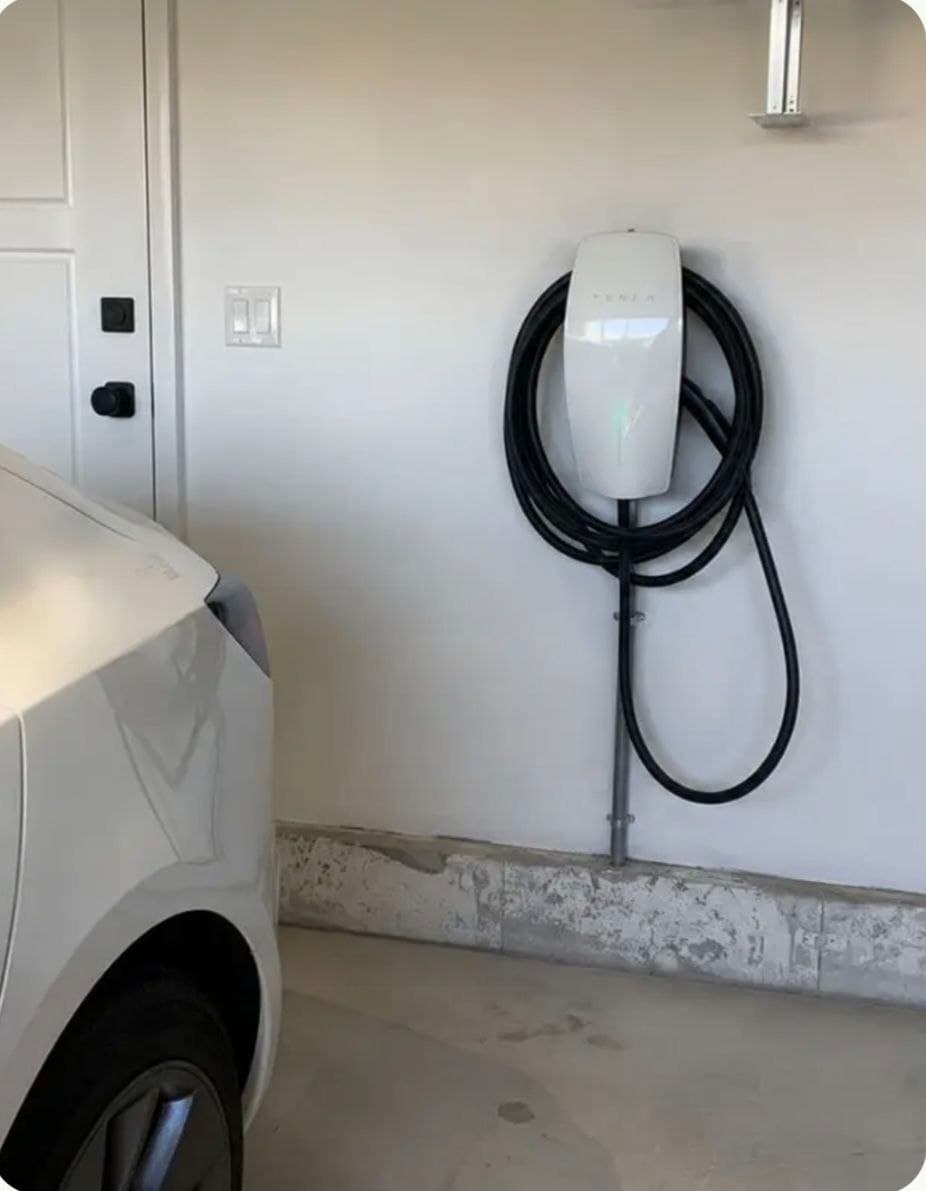
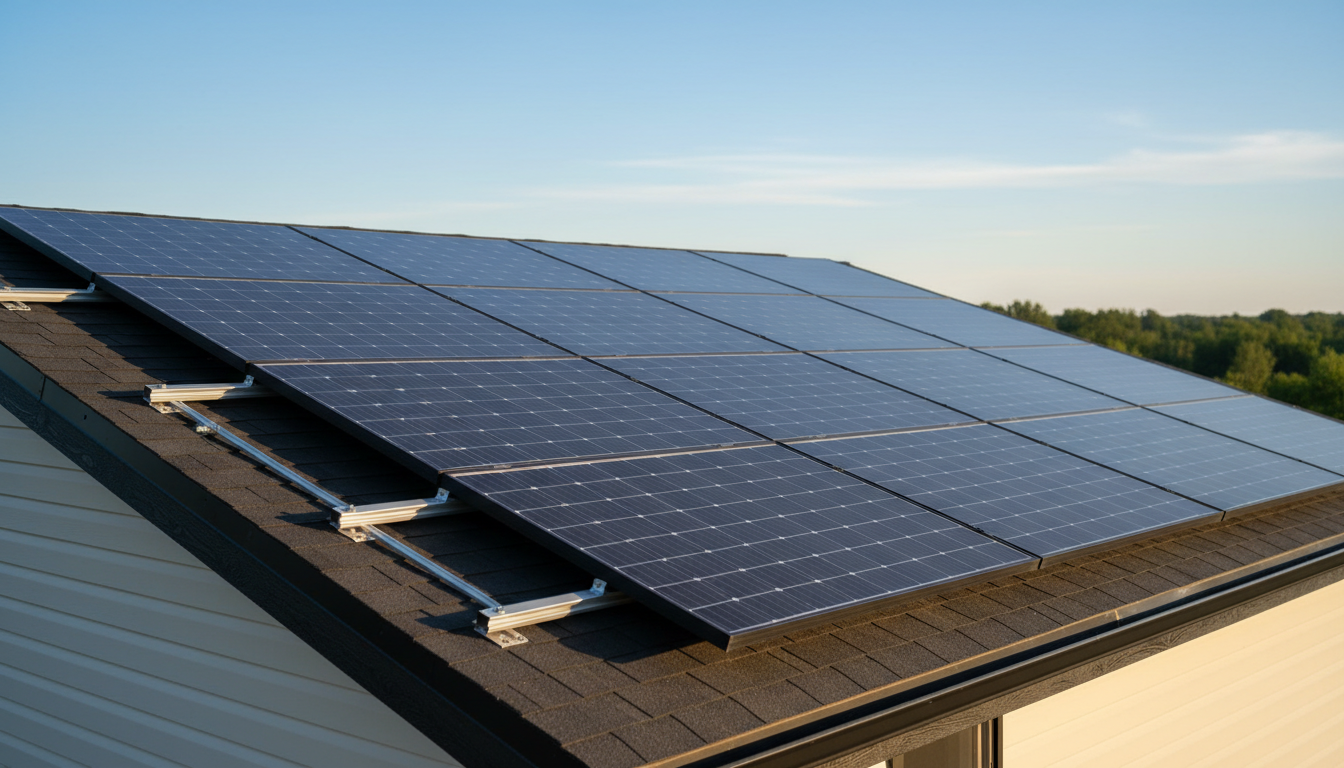
Solar panel installation Toronto typically costs between $17,000 and $28,000 in 2026, with average prices ranging from $2.40 to $3.50 per watt. Homeowners should evaluate roof suitability, utilize available rebates, and enroll in net metering programs to maximize their return on investment. This process allows residents to reduce long-term energy costs while successfully transitioning to sustainable power.
Rising electricity rates in Toronto continue to squeeze household budgets, yet many homeowners feel paralyzed by the technical complexity and shifting regulations of transitioning to solar energy. Navigating the move toward a greener grid requires more than just mounting hardware on a roof; it demands a precise understanding of the 2026 regulatory landscape and specific local infrastructure requirements. Choosing the wrong inverter technology or overlooking a necessary electrical panel upgrade can lead to costly delays and suboptimal energy yields. This comprehensive guide simplifies the process for Greater Toronto Area residents. We will analyze current installation costs, detail available Ontario financial incentives, and compare the performance of Enphase microinverters against traditional string systems. You will also learn about the critical role of net metering and the essential steps required to move from initial permit to live power.
The State of Solar Energy in the Greater Toronto Area for 2026
The landscape of residential energy in the Greater Toronto Area has shifted significantly as we enter 2026. Homeowners in Toronto and Markham are increasingly prioritizing solar panel installation Toronto to mitigate the impact of rising electricity rates. While Southern Ontario is often associated with grey winters, Toronto actually possesses a high solar potential, receiving approximately 1,150 kWh of solar energy per kW installed annually. This irradiance level rivals many major European cities that have successfully integrated solar into their urban grids for decades.
The surge in local adoption is driven by more than just environmental awareness; it is a practical hedge against inflation. With the City of Toronto’s TransformTO Net Zero Strategy targeting a 2040 deadline, the infrastructure for distributed energy is maturing rapidly. Residential arrays now play a critical role in this 2026 energy landscape, allowing homeowners to contribute to a decentralized grid while securing long-term financial predictability. As a provider of comprehensive GTA electrical services, we have observed that the integration of solar often starts with ensuring your current infrastructure can handle the load. Modern systems are increasingly sophisticated, making professional solar installation services a cornerstone of property value in the current market.
Cost Breakdown for Solar Panel Installation in Toronto
Understanding the financial commitment of a solar project requires looking beyond the sticker price to the per-watt metrics that define the industry. In 2026, the cost for residential solar panel installation Toronto ranges from $2.10 to $4.10 per watt. For a typical 2,000 square foot home in the GTA, this translates to a total investment of approximately $17,000 to $30,000 before federal or provincial incentives are applied.
The final price depends heavily on the system capacity required to offset your specific energy consumption. A 7.5kW system is often sufficient for mid-sized homes with moderate cooling and heating demands, while larger properties or those with multiple electric vehicles may require a 10kW array.
System Size | Estimated Cost Range (Pre-Incentive) | Best Suited For |
|---|---|---|
7.5 kW System | $15,750 – $22,500 | Standard 3-bedroom detached homes |
10 kW System | $21,000 – $35,000 | Large homes with high energy loads or EVs |
Hardware selection accounts for a significant portion of these variables. Standard monocrystalline panels offer a reliable balance of durability and output, making them the most common choice for Toronto rooftops. However, homeowners with limited roof space often opt for high-efficiency alternatives, such as N-type or TOPCon modules. These premium panels carry a higher upfront cost but generate more electricity per square foot, which is advantageous for complex rooflines in dense urban neighborhoods.
It is also essential to recognize that labor costs in Toronto and Markham remain higher than the national average. This reflects the stringent licensing, master electrician oversight, and high insurance premiums required to operate as a legitimate provider of GTA electrical services. While lower quotes may exist, professional solar installation services prioritize ESA compliance and structural integrity, ensuring the system remains a long-term asset rather than a liability. These costs include the specialized equipment and safety protocols necessary for working on the steep pitches or multi-story builds common in the Toronto area.
Ontario Solar Rebates and Financial Incentives in 2026
Navigating the financial landscape of solar adoption requires an understanding of the rebate stack, a strategic combination of municipal, provincial, and federal incentives that lower the net cost of solar panel installation Toronto. The primary driver in 2026 is the Ontario Home Renovation Savings Program (HRSP). This program provides up to $5,000 for the installation of photovoltaic systems and an additional $5,000 specifically for battery storage solutions. For many homeowners, this $10,000 potential rebate significantly accelerates the return on investment.
For residents within city limits, the Toronto Home Energy Loan Program (HELP) offers a PACE style financing model. This allows you to borrow up to $125,000 for energy improvements at low interest rates, with the loan repayment integrated into your property tax bill. This structure ensures that the debt is associated with the property rather than the individual, making it an attractive option for those planning long term energy independence.
Incentive Program | Maximum Benefit | Eligible Upgrades |
|---|---|---|
Ontario HRSP (Solar) | $5,000 | Rooftop PV systems |
Ontario HRSP (Storage) | $5,000 | Lithium ion battery backups |
Toronto HELP | $125,000 (Loan) | Solar, windows, heat pumps |
Federal ITC | 30% Tax Credit | Solar equipment and labor |
To maximize these savings, homeowners should consider the Two Upgrade Rule. Many incentive tiers require at least two eligible energy retrofits to unlock the highest rebate brackets. Pairing solar installation services with a panel upgrade for your home or a high efficiency heat pump often yields a higher total payout than doing either project in isolation. Furthermore, the federal Investment Tax Credit (ITC) available in 2026 continues to provide a 30% credit for eligible equipment, further solidifying the financial case for GTA electrical services that modernize your energy profile while reducing long term operating costs.
Understanding Net Metering in Ontario
Once the financial incentives are secured, understanding the operational mechanics of your solar panel installation Toronto becomes the priority. Net metering is the regulatory framework that allows homeowners in the GTA to use the local power grid as a virtual battery. In areas served by Toronto Hydro or Alectra, a bidirectional meter is installed to track the electricity your system generates versus what you consume.
When your rooftop array produces more electricity than your home requires, typically during the peak sun hours of a Toronto summer, the excess is pushed back into the provincial grid. Your utility company credits your account for this contribution at the same rate you would pay for consumption. These credits are applied to your future bills, effectively lowering or eliminating your monthly energy costs.
However, Ontario regulations include a 12 month credit expiry rule. Credits earned from surplus generation must be used within a rolling one year period; any unused credits after 12 months are reset to zero without compensation. This makes precise system sizing critical. While net metering provides the financial benefits of solar without the added expense of physical storage, many homeowners still choose to integrate a battery through professional solar installation services. While the grid handles your billing offsets, a physical battery provides the energy security needed during local grid outages, a feature that standard net metered systems without storage cannot offer. Professional GTA electrical services ensure your system is configured to maximize these credits while maintaining compliance with utility specific requirements.
Technical Specs: Enphase Microinverters vs String Inverters
The efficiency of a solar panel installation Toronto depends largely on the inverter technology chosen to convert direct current (DC) into usable alternating current (AC). Homeowners typically choose between a centralized string inverter and module-level power electronics, specifically Enphase microinverters. In the dense urban environment of the GTA, this choice is often dictated by the physical surroundings of the property.
Traditional string inverters connect panels in a series. If a single panel is shaded by a mature maple tree in East York or a neighboring townhouse in Markham, the output of the entire string drops to the level of the lowest-performing module. Conversely, microinverters operate independently at each panel. This architecture is particularly advantageous for complex GTA rooflines featuring multiple gables, dormers, or chimneys that create shifting shadows throughout the day.
Feature | String Inverters | Enphase Microinverters |
|---|---|---|
Shading Impact | High (affects whole string) | Low (individual panel optimization) |
Monitoring | System-level | Per-panel granularity |
Warranty | Typically 10 to 12 years | Typically 25 years |
Scalability | Difficult to expand | Highly modular |
Reliability is another critical factor. Enphase systems eliminate the single point of failure inherent in string designs. Furthermore, the 2026 market has seen a surge in AC modules, where the microinverter is factory-integrated into the panel itself. This simplifies solar installation services by reducing on-site wiring and enhancing safety by ensuring high-voltage DC never leaves the panel frame. When coordinating GTA electrical services, microinverters also provide granular data through mobile apps, allowing for precise troubleshooting without needing a physical inspection of every module on the roof.
The Crucial First Step: Electrical Panel Upgrades
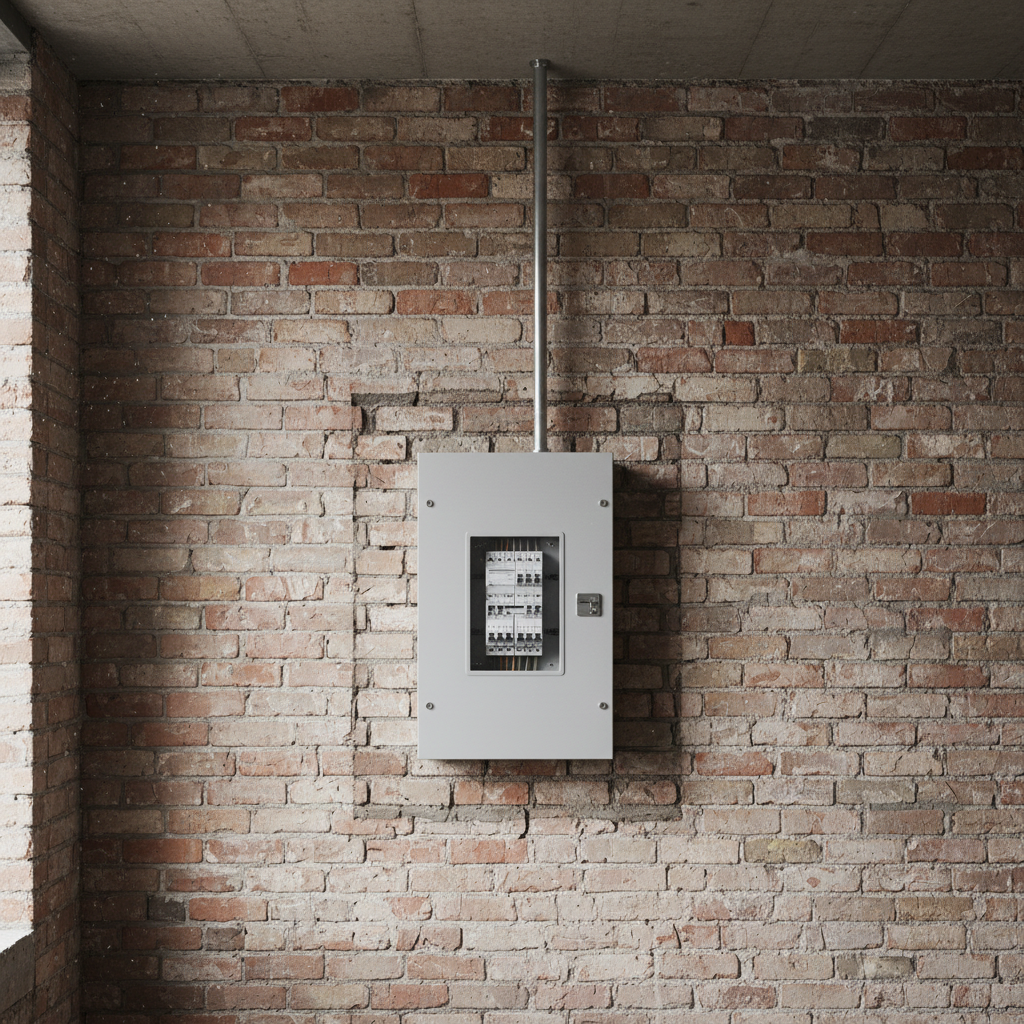
Beyond inverters and modules, the physical infrastructure of the property dictates the feasibility of a solar panel installation Toronto. Many homes in established neighborhoods like East York, High Park, and Scarborough still operate on 100A electrical service. This legacy infrastructure was originally designed for basic lighting and appliances, not the heavy bidirectional loads of a modern solar array. If you plan to pair solar with an EV charger or a heat pump, a 100A panel usually lacks the physical space and busbar capacity required for the necessary backfeed breakers.
Transitioning to 200A service is frequently a prerequisite for professional solar installation services. Beyond just capacity, a panel upgrade for your home ensures that your system remains fully compliant with Electrical Safety Authority (ESA) standards. High-voltage feedback from solar modules generates heat; an undersized or outdated panel creates a thermal risk that can void insurance or fail inspection. Investing in GTA electrical services to modernize your service entrance before the panels arrive ensures your home is solar-ready and safe for decades of clean energy production.
The Installation Process: From Permit to Power
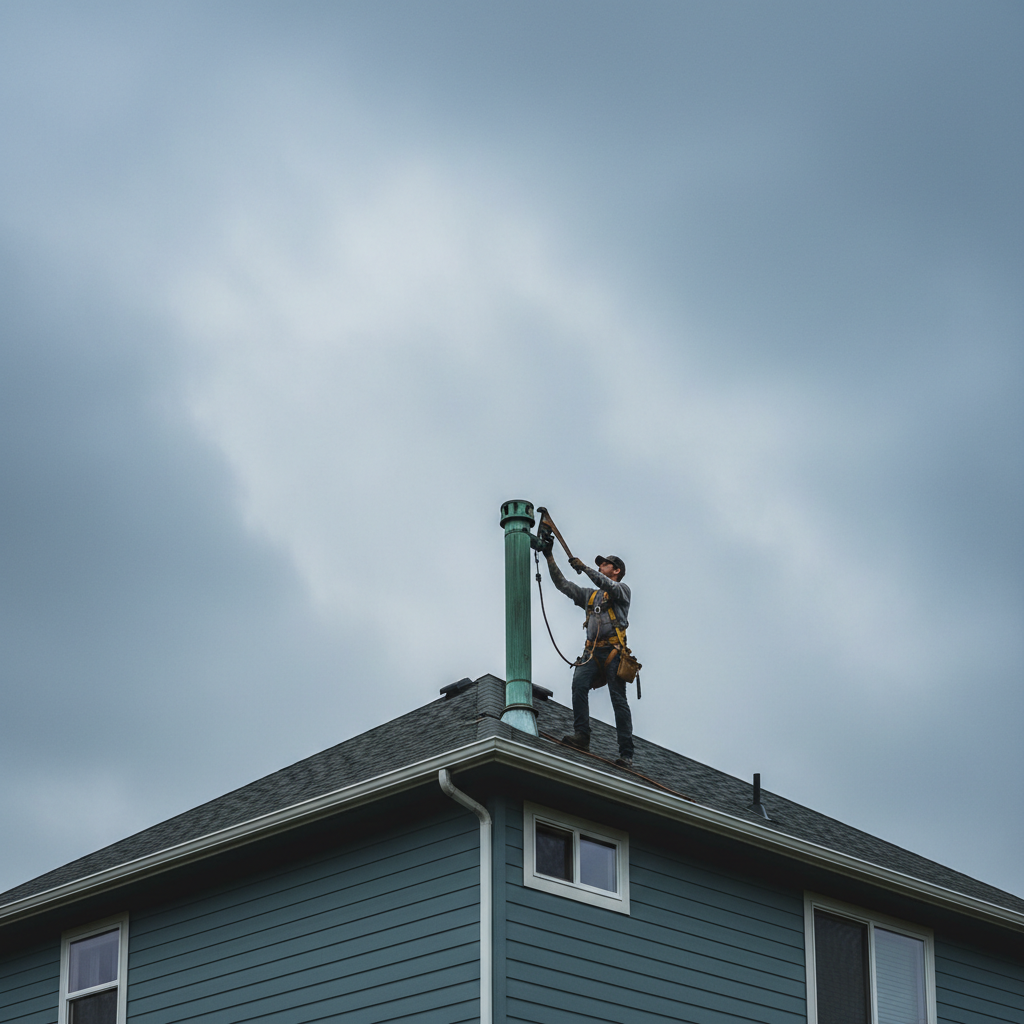
The transition from an electrical upgrade to a functioning solar panel installation Toronto follows a strict regulatory path. It begins with a comprehensive site assessment that evaluates roof health and orientation. For many older homes in Toronto, particularly those in the Beaches or High Park, a structural engineering approval is a mandatory prerequisite. This certification ensures the existing rafters can support the additional dead load of the racking and modules, alongside the specific snow load requirements for Ontario winters.
Once engineering is secured, we navigate the municipal permitting phase. This includes adhering to the Ontario Building Code and local fire safety regulations. A critical factor during this stage is the 33% rule, which dictates that solar panels cannot cover more than a specific portion of the roof area to ensure firefighter access and ventilation paths remain clear. Professional solar installation services calculate these precise setbacks during the design phase to avoid permit rejections from the City of Toronto or Markham building departments.
Stage | Key Requirement | Authority |
|---|---|---|
Structural Review | Load-bearing certification | Licensed Engineer |
Building Permit | Zoning and fire safety compliance | Municipal Office |
Electrical Work | Licensed contractor installation | ESA (Electrical Safety Authority) |
Interconnection | Bi-directional meter swap | Toronto Hydro or Alectra |
On the day of installation, the racking system is secured to the roof before the panels and microinverters are mounted. After the hardware is in place, an inspection by the Electrical Safety Authority (ESA) is the most crucial step for GTA electrical services. This validates that the wiring and panel upgrade for your home meet the current Ontario Electrical Safety Code. Finally, your utility provider installs a bi-directional meter. This specialized meter tracks the energy you push back to the grid, officially activating your system for net metering and long term production.
Transitioning to renewable energy in Toronto requires a clear understanding of current regulations and local incentives. Preparing for a 2026 installation now will ensure your home remains efficient and environmentally friendly for years to come. If you want expert help navigating the technical requirements or selecting the right equipment, we are available to provide guidance. Exploring Solar options with professional support ensures a smooth transition to clean power. Our team can help you build a system that meets your specific energy goals while maximizing your long term savings.