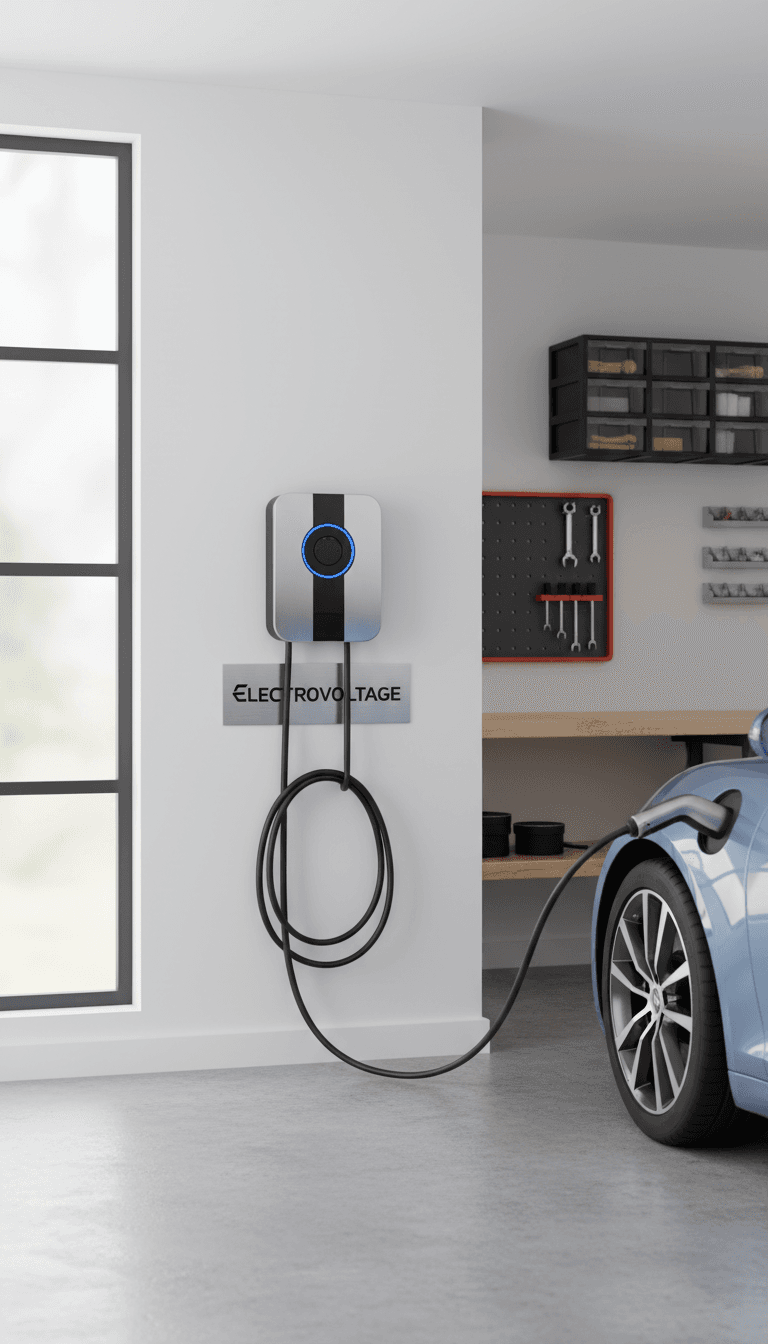
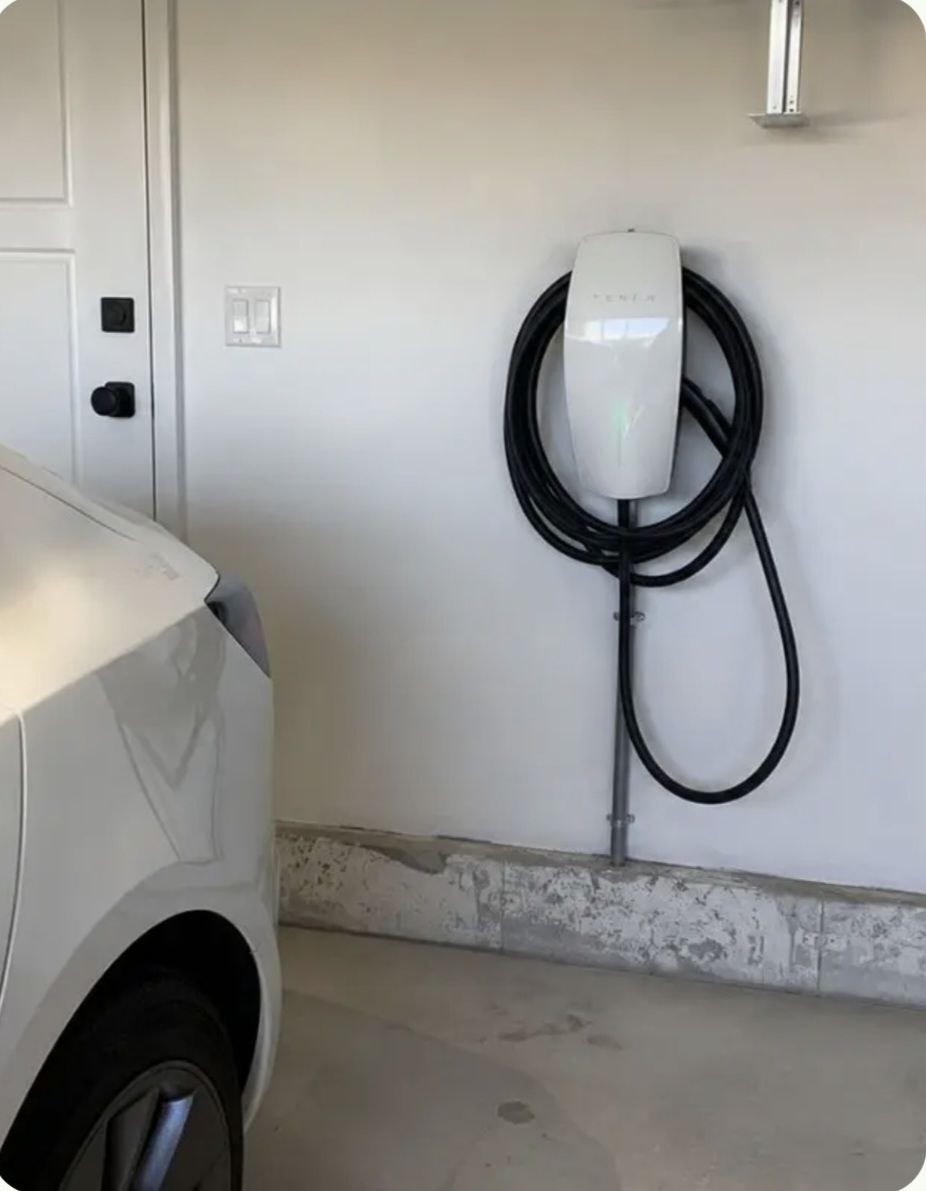
Level 2 chargers provide significantly faster charging speeds than Level 1 units by utilizing a dedicated 240V circuit; they are ideal for drivers needing a full battery overnight. A professional Level 2 EV charger installation Toronto typically costs between $1,400 and $3,000 depending on existing electrical capacity and potential panel upgrades. Homeowners should always hire a licensed electrical contractor to ensure the installation meets local safety standards and permit requirements.
Waiting over twenty hours for a standard 120 volt outlet to trickle charge your electric vehicle is a frustrating reality for many new Toronto owners. This slow pace often results in range anxiety, especially when unexpected trips across the GTA arise. Transitioning to a professional Level 2 EV charger installation is the most effective way to ensure your vehicle is ready for the morning commute. In this guide, we examine the practical performance differences between charging levels and assess whether your local residence requires a dedicated panel upgrade. You will also learn about the essential ESA permit requirements and how smart load management solutions can optimize your existing electrical capacity. By understanding the technical landscape of home charging, you can make an informed investment that enhances both your vehicle's utility and your property's value.
Understanding the Basics: Level 1 vs Level 2 EV Charging
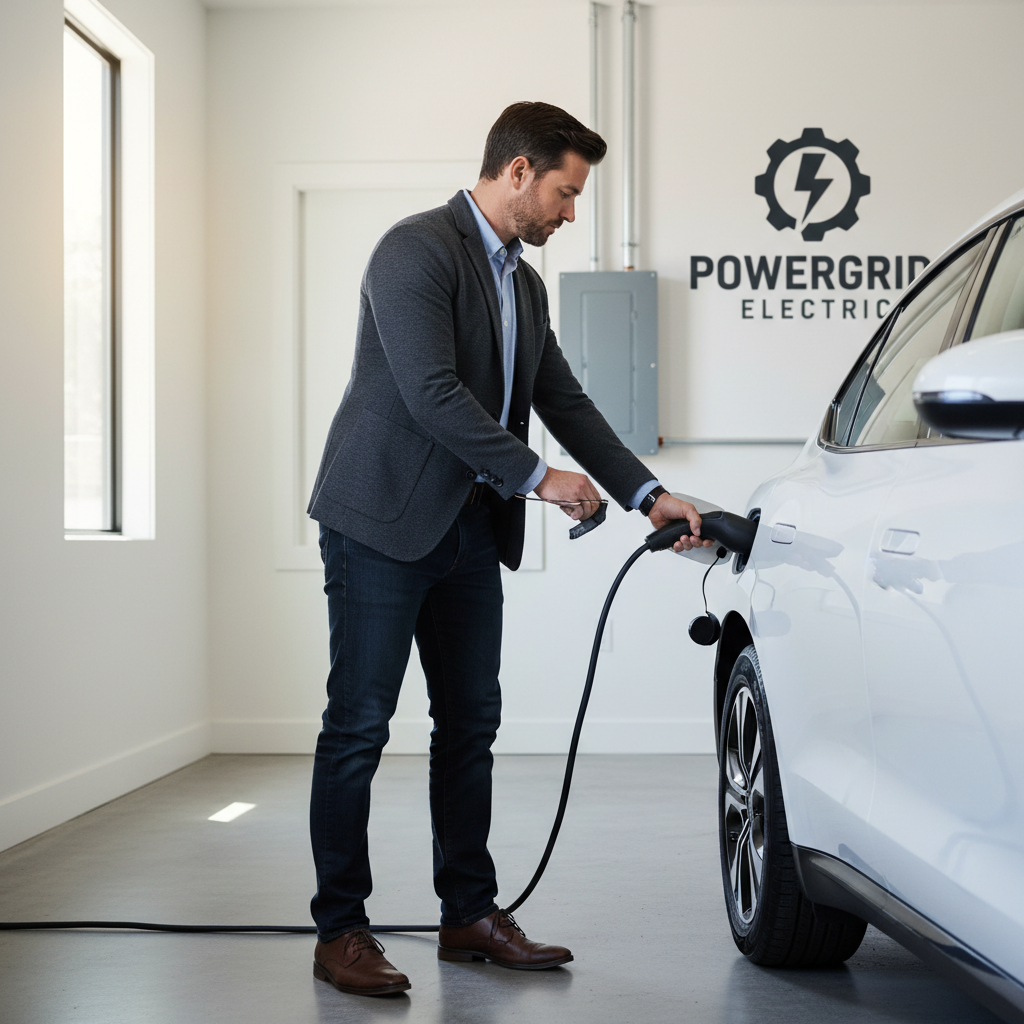
Switching to an electric vehicle requires a fundamental shift in how you think about refueling. For most homeowners, the choice comes down to Level 1 or Level 2 equipment. Level 1 charging is often referred to as a trickle charge. It uses a standard 120V household outlet, the same type used for lamps or small appliances. While convenient because it requires no specialized setup, its power output is extremely limited, typically delivering between 1.4 and 1.9 kW.
In contrast, Level 2 charging utilizes a dedicated 240V circuit, similar to the electrical requirements of a clothes dryer or kitchen range. This increased voltage allows for significantly higher power delivery, ranging from 7.2 to 11.5 kW. For many, this necessitates professional EV charger installation to ensure the home's infrastructure can handle the load safely.
Feature | Level 1 (120V) | Level 2 (240V) |
|---|---|---|
Power Delivery | 1.4 - 1.9 kW | 7.2 - 11.5 kW |
Range Added Per Hour | 5 - 8 km | 30 - 60 km |
Circuit Requirement | Standard Outlet | Dedicated 240V Circuit |
For a Toronto commuter traveling from Markham to downtown or navigating the 401 daily, these numbers represent a major difference in utility. A Level 1 charger may take over 20 hours to fully replenish a modern EV battery. Conversely, a Level 2 station can provide a full charge in a single overnight session, making it the practical choice for active drivers in the GTA.
Is Level 1 Charging Practical for the GTA Lifestyle?
While a Level 1 cable comes included with most vehicles, relying on it in the Greater Toronto Area presents significant logistical challenges. The average GTA driver often navigates long stretches of the 401 or the DVP, frequently covering 60 to 100 kilometers in a single workday. Because Level 1 charging only adds about 5 to 8 kilometers of range per hour, a driver who arrives home at 7:00 PM and leaves at 7:00 AM will only recover roughly 60 to 96 kilometers. This leaves almost no margin for errands, social visits, or unexpected detours during the business week.
The Ontario winter factor further complicates this math. In sub-zero temperatures, an EV must divert a substantial portion of its incoming power to the thermal management system to keep the battery at an operational temperature. On a 1.4 kW Level 1 connection, the energy required to heat the battery can consume most of the available electricity, leaving a negligible amount for actual charging. In extreme cold, you might find that after ten hours of being plugged in, the car has only gained a few percentage points of range because the charger was working simply to prevent the battery from freezing.
This inefficiency makes Level 1 charging more of a trickle than a reliable fuel source for active households. For those who rely on their vehicle daily, the long-term stress of range anxiety often outweighs the initial zero dollar cost of using a wall outlet. This is why many residents eventually prioritize a Level 2 EV charger installation in Toronto to ensure their vehicle is ready for the morning commute, regardless of the temperature or the previous day’s mileage. Transitioning to a professional EV charger installation is a necessary step for sustainable EV ownership in our climate, providing the fast recovery times needed to keep up with a busy GTA lifestyle.
The Benefits of Level 2 EV Charger Installation in Toronto
Moving beyond the basic math of charging speeds, Level 2 systems offer technical and financial advantages that Level 1 simply cannot match. One often overlooked benefit is superior energy efficiency. When you use a Level 1 charger, the vehicle’s internal cooling and management systems must remain active for 20 hours or more to handle the slow trickle of power. This leads to higher energy losses through heat. A Level 2 system operates at 240V, allowing for a much more efficient transfer of electricity. Because the charging cycle finishes in a fraction of the time, the car spends less energy on its own overhead electronics, resulting in more actual range for every dollar spent on your utility bill.
This speed is the key to unlocking the most aggressive cost savings available in Ontario. Both Toronto Hydro and Alectra offer Ultra-Low Overnight (ULO) pricing structures, where electricity costs drop significantly during the early morning hours. With a Level 1 charger, you cannot finish a full charge within this narrow window. A Level 2 EV charger installation in Toronto allows you to schedule your charging to happen exclusively during these ultra-off-peak hours, ensuring you fill your battery at the lowest possible price point.
There is also the matter of long term property value. In the competitive GTA real estate market, from North York to Markham, buyers increasingly view residential electrical services in Toronto that include dedicated EV infrastructure as a major asset. A professional EV charger installation provides a "move-in ready" feature that signals the home’s electrical system is modern, permitted, and prepared for the future of transportation.
Electrical Capacity: Does Your Toronto Home Need a Panel Upgrade?
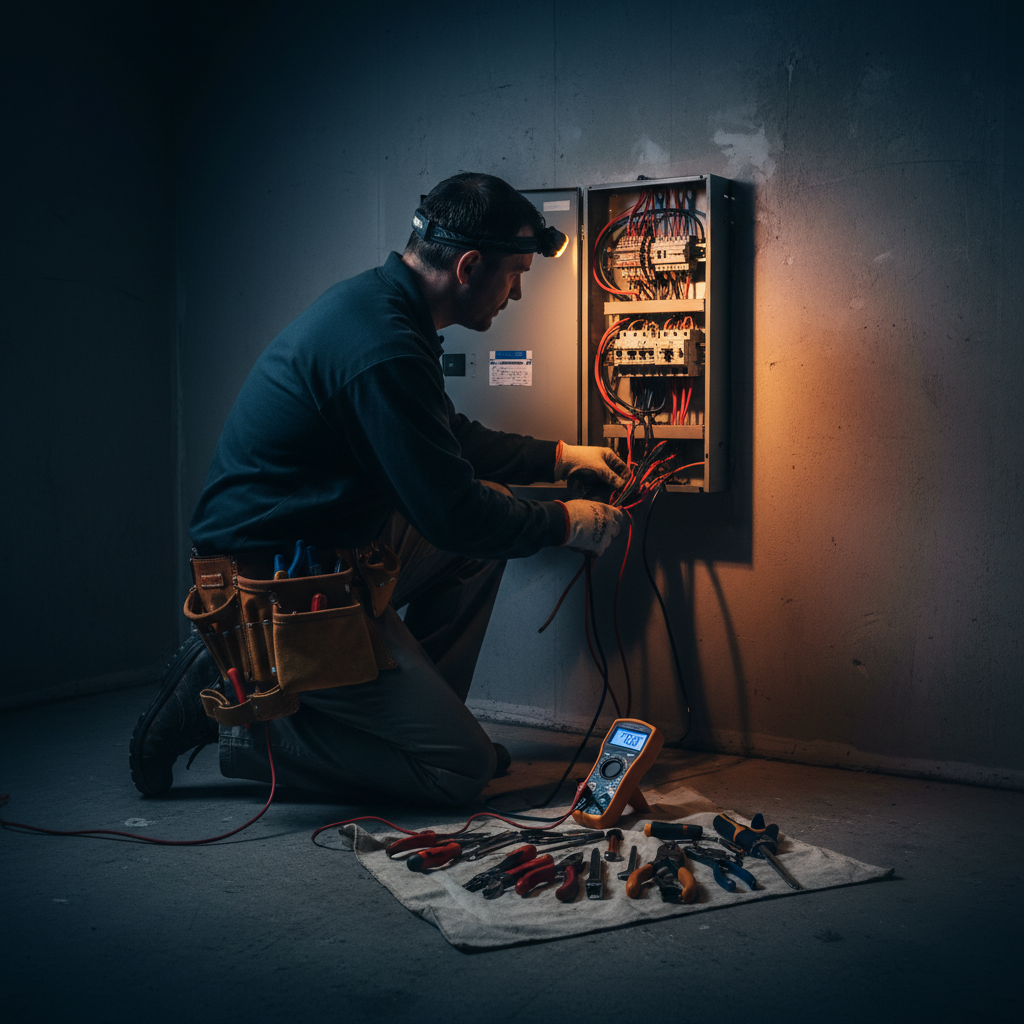
While the efficiency gains of Level 2 charging are clear, the physical infrastructure of your home must be able to support the increased electrical demand. Residents in neighborhoods like East York, High Park, and Leslieville often live in older homes that were originally wired with 100-amp service. This amperage represents the total "energy budget" available to your home at any given moment. Before committing to a Level 2 EV charger installation in Toronto, a professional load calculation is essential to ensure you do not exceed this limit.
The primary technical constraint is the 80% Rule mandated by the Canadian Electrical Code. For a continuous load, such as an electric vehicle charger that draws power at a steady rate for several hours, the circuit breaker must be rated for 125% of the charger’s output. For example, a charger delivering 40 amps of power requires a dedicated 50-amp breaker. On a 100-amp panel, that single charger could potentially claim half of your home's total electrical capacity.
Appliance | Typical Amperage Draw |
|---|---|
Central Air Conditioner | 20A - 30A |
Electric Clothes Dryer | 30A |
Electric Range / Oven | 40A |
Level 2 EV Charger (40A output) | 50A (Breaker Size) |
The risk of an overloaded system is most apparent during peak times. If your air conditioner is running, you are using the electric dryer, and the EV is plugged in simultaneously, a 100-amp panel can quickly become maxed out, causing the main breaker to trip. In these scenarios, a professional EV charger installation may require an electrical panel upgrade to 200-amp service. Based on local market data for the GTA, the cost to upgrade from 100A to 200A typically ranges between $2,500 and $5,000. This investment ensures your residential electrical services in Toronto are up to code and ready to handle the heavy loads of modern green technology.
Smart Solutions: EVEMS and Load Management
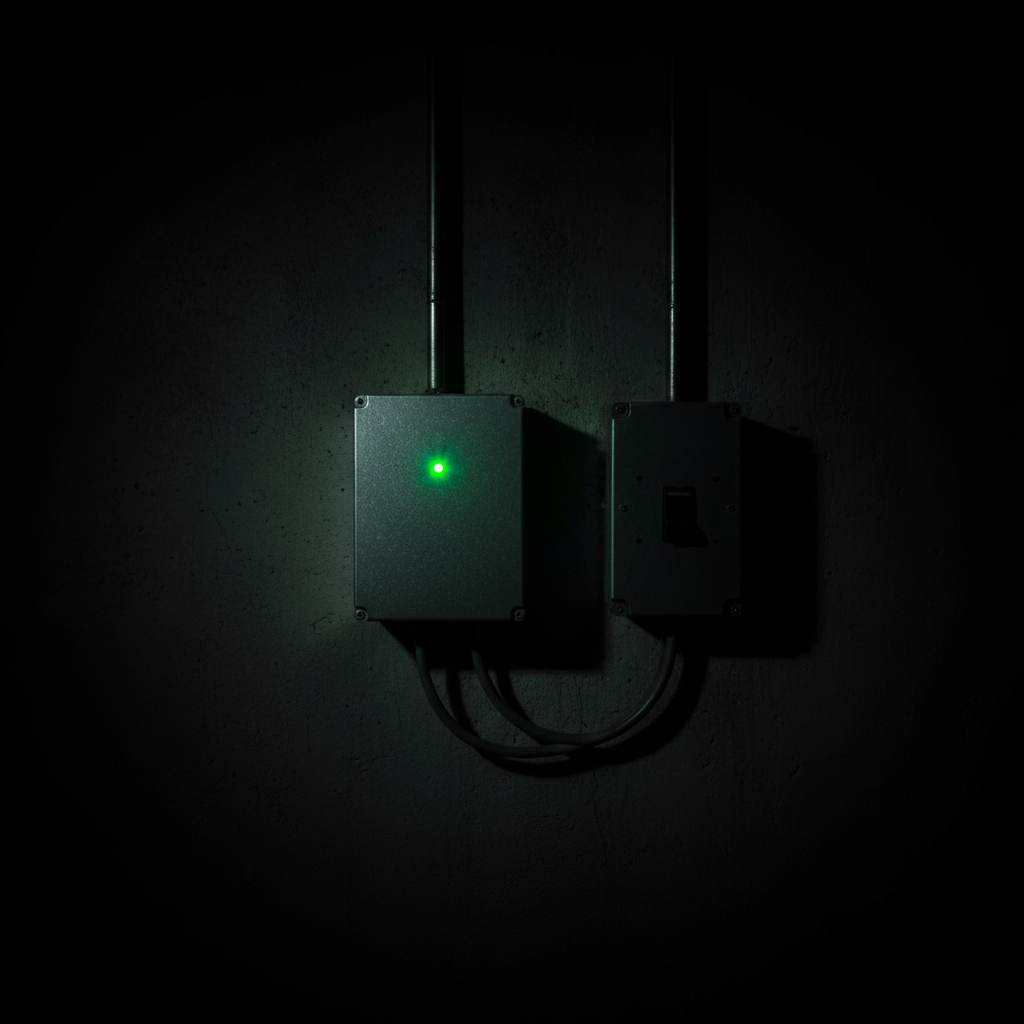
For homeowners who find their 100-amp panel insufficient for a new Level 2 charger, a full electrical panel upgrade is not the only path forward. An Electric Vehicle Energy Management System (EVEMS) offers a sophisticated alternative to a complete service increase. These systems function by continuously monitoring the real-time electrical demand of your entire home. When the device detects that your total power consumption is nearing the safety threshold, perhaps because you have turned on the electric dryer or the oven, it automatically throttles or pauses the power sent to your charger. Once the heavy load finishes, the EVEMS restores full power to the vehicle.
This smart load management is particularly valuable for residential electrical services in Toronto where physical space in the panel or local utility constraints make a service upgrade difficult or prohibitively expensive. Implementing an EVEMS typically costs between $1,200 and $1,800, which includes the hardware and the specialized labor required for integration. By including this technology in your Level 2 EV charger installation Toronto project, you can enjoy fast charging speeds without the high overhead of a massive infrastructure overhaul. It is a practical compromise for owners of semi-detached or older detached homes in the GTA who want modern convenience while maintaining a professional EV charger installation that remains both code-compliant and budget-conscious.
The Installation Process and ESA Permit Requirements
Navigating the legalities of electrical work in Ontario is vital for both safety and insurance compliance. Any Level 2 EV charger installation Toronto project must be performed by a Licensed Electrical Contractor (LEC). It is a common misconception that a general handyman can handle this task; however, only an LEC is authorized to pull the required Electrical Safety Authority (ESA) permit. Skipping this step or hiring unlicensed labor poses a severe fire hazard due to the sustained high current draw of EV charging. Furthermore, an unpermitted installation can give insurance providers grounds to deny a claim in the event of an electrical fire.
At Electrovoltage, we follow a rigorous professional EV charger installation workflow to ensure your home remains safe and compliant:
Site Assessment: We evaluate your existing panel capacity, potential conduit paths, and your preferred charger location.
Load Calculation: Our experts perform a detailed calculation to verify your home’s electrical headroom, ensuring the 80% rule is respected.
Permit Filing: We manage the ESA application process on your behalf, ensuring all paperwork is filed correctly before work begins.
Installation: Our team installs the dedicated 240V circuit and mounts the charging unit according to precise manufacturer specifications.
Final Inspection: We coordinate with the ESA for a final inspection, providing you with a Certificate of Acceptance for your records and insurance provider.
This structured approach is a cornerstone of our residential electrical services in Toronto, ensuring that every installation meets the highest standards of workmanship and local code requirements.
Cost Breakdown for Level 2 EV Charger Installation in Toronto
A standard Level 2 EV charger installation Toronto project involves two primary financial components: the hardware and the professional labor. For most GTA homes where the electrical panel is located within the garage or on an adjacent wall, the labor and materials for a standard installation typically range from $850 to $1,500. High-quality charging units, such as those from Tesla, Flo, or ChargePoint, generally cost between $600 and $1,200 depending on their smart features and cable length.
Expense Category | Estimated Cost (2024-2025) |
|---|---|
Standard Installation Labor & Materials | $850 - $1,500 |
Level 2 Charging Unit (Hardware) | $600 - $1,200 |
ESA Permit and Filing Fees | Included in professional quotes |
Trenching for Detached Garages | $1,500 - $3,000+ |
Complexities like long wire runs from one side of the house to the other or trenching through a driveway for a detached garage will increase these baseline figures. While the broad provincial EVCO rebates are no longer active, some manufacturers offer installation credits, and certain municipal pilot programs may provide localized incentives. Investing in a professional EV charger installation ensures that these costs translate into a safe, efficient, and durable system that adds long term value to your property.
Understanding the difference between Level 1 and Level 2 charging is essential for any Toronto driver looking to optimize their home setup. While basic outlets work in a pinch, a dedicated high-speed station offers the reliability and speed needed for modern life. If you want expert help choosing the right equipment or assessing your home electrical panel, we provide professional installation for EV Chargers. Taking this step ensures your vehicle is always ready for the road while maintaining the highest safety standards for your property.