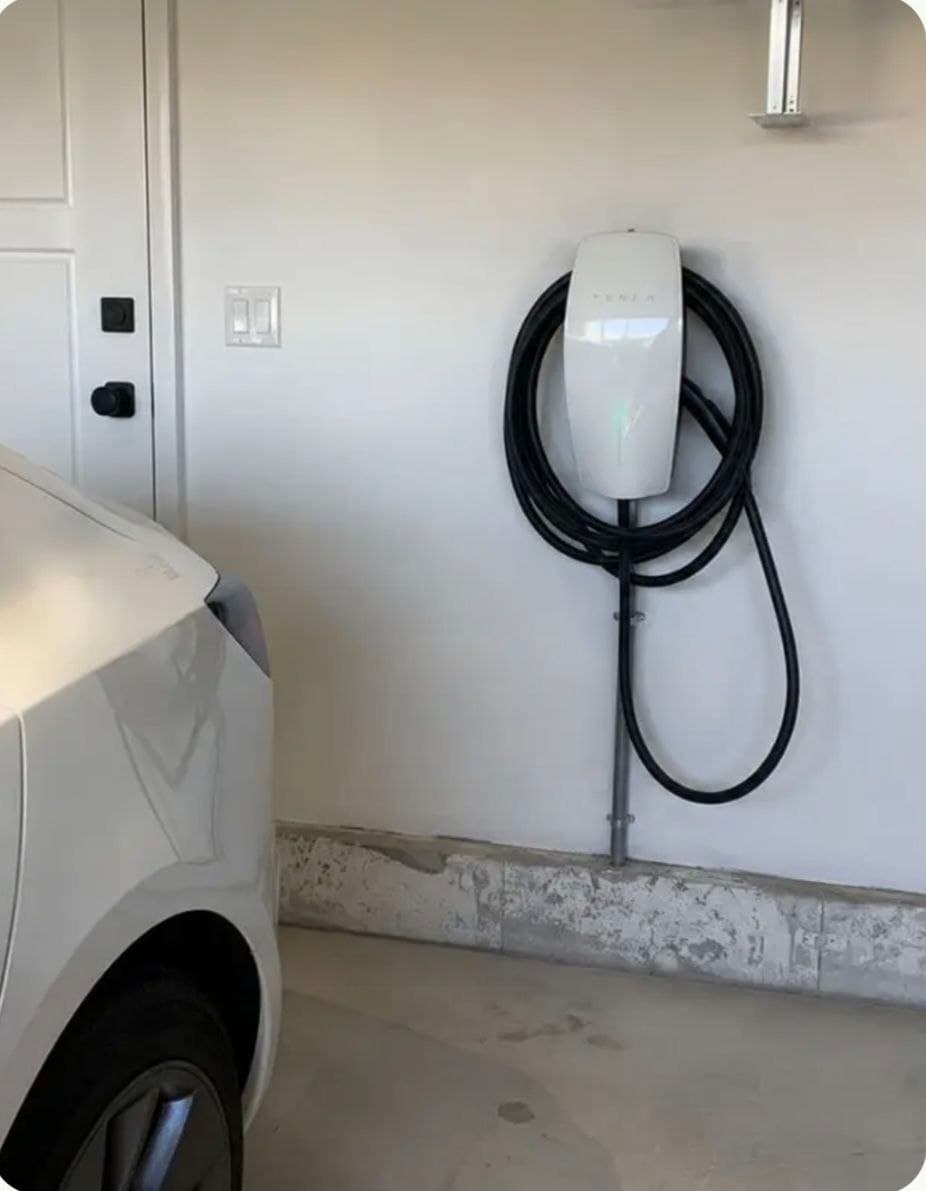
The average EV charger installation cost Toronto 2026 typically ranges between $1,200 and $3,500 for standard Level 2 residential installations. Total project expenses may rise above $8,500 if the property requires a significant electrical panel upgrade or an exceptionally long wiring run. These estimates generally encompass the charging hardware, professional labor, and the cost of necessary municipal permits.
As Toronto moves toward a fully electric future in 2026, many homeowners feel frustrated by the lack of transparency regarding EV charger installation costs. You might have the vehicle, but the true price of the fueling station in your garage often remains a mystery until a contractor arrives. This uncertainty can stall your transition to sustainable driving. Understanding these expenses is critical for accurate budgeting; especially as labor rates and material costs fluctuate across the GTA. In this guide, we break down the financial realities of home charging. We will compare hardwired units against NEMA outlets, examine the significant cost difference between panel upgrades and load management systems, and detail mandatory ESA permit fees. By the end, you will have a clear, data-backed roadmap for your 2026 installation budget.
The Real World Cost of Home EV Charging in Toronto for 2026
Entering 2026, the landscape for home charging in the Greater Toronto Area has reached a new stage of maturity. While the initial surge in demand has leveled off, homeowners are now navigating a market defined by stabilized material costs balanced against rising skilled labor rates across Ontario. For a basic installation where the electrical panel is in the immediate vicinity of the charger, prices often start around $1,200. However, the average Toronto homeowner should realistically budget between $1,800 and $3,500 for a robust, high-quality Level 2 setup.
This price range accounts for the technical nuances of Toronto's diverse housing stock. A simple plug-and-play setup involving a NEMA 14-50 outlet is often the most affordable entry point. However, most modern EV owners are opting for a hardwired professional EV charger installation. Hardwiring is the gold standard in 2026; it offers superior weatherproofing for outdoor units and higher sustained amperage than a standard outlet. When calculating the total EV charger installation cost Toronto 2026, it is vital to remember that these figures include the ESA permit, high-grade copper wiring, and the specialized expertise required to ensure the system safely handles the continuous thermal load of a vehicle charging for eight hours straight.
Hardwire vs. NEMA 14:50 Outlet: Comparing Labor and Material Costs
Choosing between a NEMA 14-50 outlet and a hardwired connection is one of the most critical decisions affecting your final quote. Many homeowners ask how much it costs to install a 240V outlet for an EV charger, often expecting a significant discount over a permanent fixture. For a standard outlet installation, you can expect to pay between $800 and $1,500. However, the perceived savings often disappear once technical requirements and performance limitations are considered.
The material differences are a primary factor in the price. In 2026, Ontario electrical codes strictly require a GFCI (Ground Fault Circuit Interrupter) breaker for 240V outlets in garages or exterior locations. These specialized breakers cost between $150 and $250 alone. Conversely, a hardwired professional EV charger installation typically uses a standard circuit breaker, which costs significantly less, helping to offset the labor involved in the direct connection.
Performance is where the two options diverge most for modern drivers. A NEMA 14-50 plug is limited to a 40A maximum output to prevent overheating. Most 2026 EV models are equipped to handle a 48A charge rate, which delivers roughly 20 percent more range per hour. Hardwiring is the only way to safely unlock these higher speeds.
Feature | NEMA 14-50 Outlet | Hardwired Connection |
|---|---|---|
Estimated Install Cost | $800 – $1,500 | $1,200 – $2,500 |
Max Charging Amperage | 40 Amps | 48+ Amps |
Breaker Requirement | GFCI ($150+) | Standard ($30 – $60) |
Safety Profile | More failure points | Superior thermal management |
Future-Proofing | Low | High |
Beyond speed, reliability is a major consideration. High-quality, industrial-grade outlets are necessary to withstand the intense heat of an eight-hour continuous draw; cheaper residential-grade outlets are prone to melting or degrading over time. By eliminating the mechanical connection of the plug, hardwired systems provide a more robust and maintenance-free solution for the variable Toronto climate.
Three Common Toronto Installation Scenarios and Their Price Tags
While the choice between a plug and a hardwired connection sets the foundation for your budget, the physical layout of your property is the primary driver of the final quote. In the Greater Toronto Area, we see a vast range of housing styles, each presenting unique structural challenges. To help you estimate your specific EV charger installation cost Toronto 2026, we have categorized the most frequent projects based on the complexity of the electrical run.
### Scenario 1: The Adjacent Install This is the most straightforward professional EV charger installation. It usually occurs in newer homes or modern subdivisions in areas like Markham or Scarborough where the electrical panel is located inside the garage or on the immediate interior wall. With a cable run of 10 feet or less, material costs for heavy-gauge copper and conduit are kept to a minimum. Homeowners in this category should budget between $1,200 and $1,600.
### Scenario 2: The Finished Basement Run Many semi-detached and detached homes in Etobicoke or North York have the electrical panel tucked away in a finished basement, while the garage is attached at the front. This requires a licensed Toronto electrician to route 30 to 50 feet of conduit, often involving navigating through ceiling joists or installing decorative conduit along the exterior foundation. Due to the increased labor and material volume, these installations typically range from $1,800 to $2,800.
### Scenario 3: The Detached Garage or Laneway This scenario is highly common in historic neighborhoods like East York or High Park. In these areas, the electrical panel is often at the front of a narrow home, while the car is parked in a detached garage at the rear of the property. Providing power requires trenching through a backyard or cutting through concrete driveways to bury underground-rated conduit. These complex projects involve specialized equipment and significantly more labor, with costs starting at $3,500 and often exceeding $6,000. If your current service cannot support the extra draw, you may also need to factor in an electrical panel upgrade.
Installation Type | Typical Distance | Estimated Cost (2026) |
|---|---|---|
Simple (Attached Garage) | < 10 Feet | $1,200 – $1,600 |
Moderate (Basement Run) | 30 – 50 Feet | $1,800 – $2,800 |
Complex (Detached/Trenching) | 50+ Feet | $3,500 – $6,000+ |
The Panel Dilemma: Upgrading to 200 Amps vs. Load Management
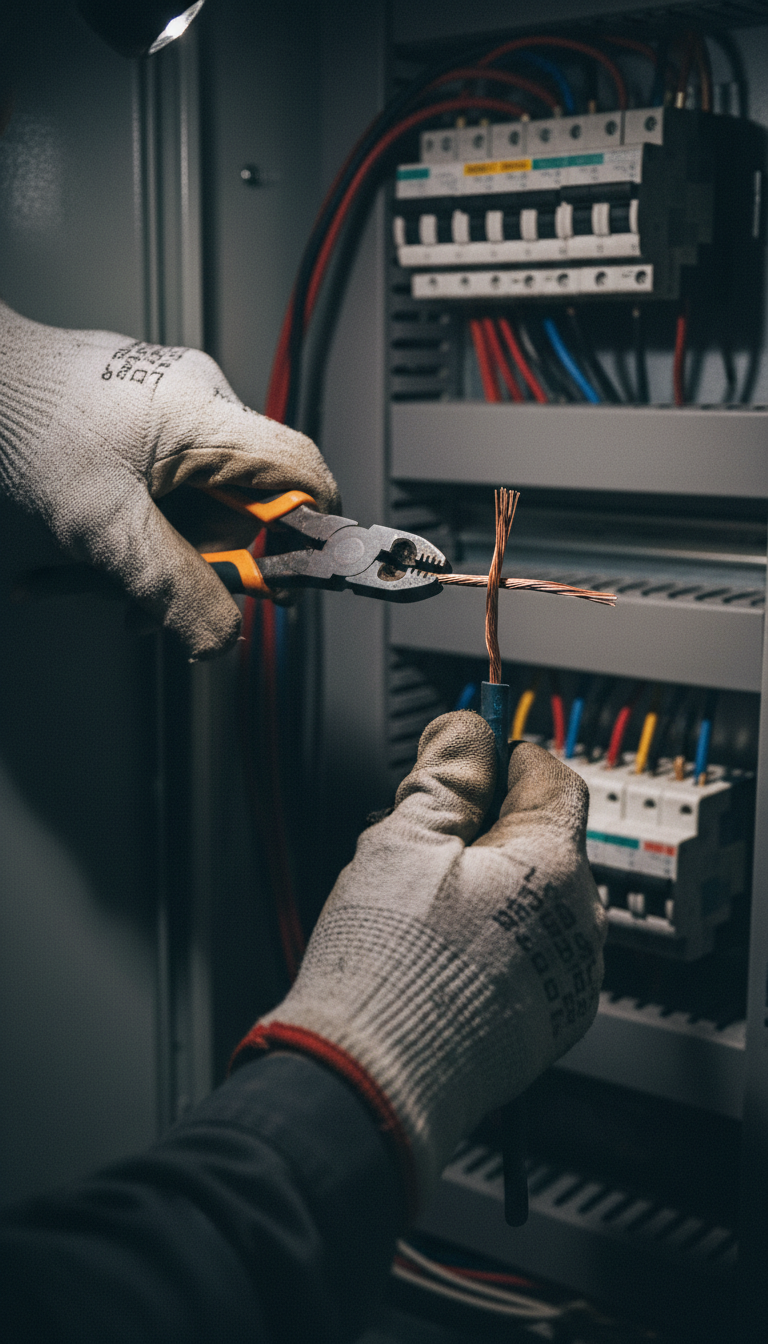
A major hurdle for many property owners in the Greater Toronto Area is the existing electrical capacity of their homes. A significant portion of the city's housing stock, particularly in established neighborhoods like North York or the Beach, operates on a 100 Amp service. Adding a high-draw Level 2 charger to a 100A panel can often exceed the safe load limit, especially when appliances like air conditioners, electric stoves, and clothes dryers are running simultaneously.
When calculating the total EV charger panel upgrade cost Toronto homeowners are often faced with two distinct paths. The traditional solution is a full electrical panel upgrade from 100A to 200A. In 2026, this comprehensive project typically costs between $3,500 and $5,500. This price reflects the labor for the physical panel replacement, the coordination with Toronto Hydro or Alectra for a service disconnect, and the installation of a new meter base and heavier service entrance cables. While this is the ultimate way to future-proof a home, it is a significant investment.
Electrovoltage frequently helps clients save money by implementing an Electric Vehicle Energy Management System (EVEMS), also known as a load shedder. This technology monitors the home’s real-time energy consumption. If the total load approaches the panel's safety threshold, the EVEMS automatically throttles or pauses the vehicle's charge until power becomes available. An EVEMS installation usually costs between $1,200 and $1,800, allowing for a safe professional EV charger installation without the need for a full utility service upgrade.
Solution | Average Cost (2026) | Primary Advantage |
|---|---|---|
Full 200A Service Upgrade | $3,500 – $5,500 | Maximum capacity for future heat pumps or second EVs |
EVEMS (Load Management) | $1,200 – $1,800 | Avoids utility costs and complex infrastructure changes |
Smart Load Switch | $1,000 – $1,500 | Simplest method for sharing a circuit with a dryer |
By leveraging these smart management tools, a licensed Toronto electrician can ensure your system meets all Ontario Electrical Safety Code requirements while staying within your budget. This approach is particularly effective for those looking to manage their EV charger installation cost Toronto 2026 targets without sacrificing safety or performance. We focus on providing a technical assessment of your home's load profile to determine which path provides the best long-term value.
ESA Permits and Regulatory Costs in Ontario
Beyond technical planning, every legal professional EV charger installation in the province must be registered with the Electrical Safety Authority. You absolutely need a permit to install an EV charger in Ontario; specifically, a Notification of Work must be filed within 48 hours of the project start. In 2026, these ESA notification and inspection fees generally fall between $80 and $160 depending on the complexity of the job.
Electrovoltage handles the entire permitting workflow as part of our standard service. We file the necessary paperwork, schedule the inspection, and provide you with the final Certificate of Acceptance. This certificate is the only official proof that your installation meets the Ontario Electrical Safety Code. Skipping this process to save approximately $150 is a massive risk for any property owner. Most insurance policies in Ontario require electrical work to be inspected; without that certificate, a provider could legally deny a claim resulting from a fire or equipment failure.
A licensed Toronto electrician understands that the permit is not just a formality. It is a safety audit that verifies the circuit, and any associated electrical panel upgrade, can safely handle the high thermal stress of EV charging. When calculating your total EV charger installation cost Toronto 2026, viewing the permit as an essential insurance policy ensures your home remains safe, compliant, and protected for years to come.
Tesla Wall Connector vs. Universal J1772 Costs
When calculating the Tesla ev charger installation cost toronto 2026, the hardware itself is a fixed variable that often surprises homeowners with its competitive pricing. The Tesla Wall Connector typically retails between $600 and $750. It is important to note that while the unit is sleek, the labor and material costs provided by a licensed Toronto electrician are nearly identical to those for universal chargers. The electrical infrastructure, including the dedicated circuit and potential electrical panel upgrade, follows the same safety standards regardless of the brand.
The most significant change in 2026 is the industry-wide shift toward the North American Charging Standard (NACS). Most major manufacturers have now adopted this port, which was originally proprietary to Tesla. For Toronto residents with newer non-Tesla vehicles, choosing a NACS-compatible charger is often the most practical path. It avoids the long-term reliance on adapters and ensures compatibility with future vehicle purchases. If you are still driving a legacy EV with a J1772 port, universal chargers remain widely available, often priced between $650 and $900. These units offer flexibility for households with multiple EV brands, though they may require more frequent firmware updates to match the seamless integration seen with native NACS hardware.
Charger Type | Hardware Cost (2026) | Port Standard | Best For |
|---|---|---|---|
Tesla Wall Connector | $600 – $750 | NACS | Tesla and newer (2025+) Ford, GM, Rivian |
Universal J1772 | $650 – $900 | J1772 | Legacy EVs and older plug-in hybrids |
Dual-Head Station | $1,200 – $1,800 | Mixed | Two-EV households with one circuit |
Electrovoltage assists clients in selecting hardware that balances current needs with future vehicle compatibility, ensuring a professional EV charger installation that won't require a replacement if you change car brands in three years.
Are There Still EV Rebates in Toronto for 2026?
The incentive landscape in Ontario has shifted significantly by 2026. For single-family homeowners, the days of broad rebates like the Canada Greener Homes Grant or specific Toronto Hydro subsidies have concluded. When calculating your EV charger installation cost Toronto 2026, it is important to realize that most current programs now target density and commercial sectors. The federal Zero-Emission Vehicle Infrastructure Program (ZEVIP), managed by Natural Resources Canada, remains the primary funding source for multi-unit residential buildings (MURBs) and workplaces. These organizations can often secure incentives covering up to 50 percent of the project costs, including any required electrical panel upgrade, provided the work is completed by a licensed Toronto electrician.
For individual homeowners, we recommend checking the Ministry of Transportation’s current bulletins for any niche provincial credits or utility-specific time-of-use incentives that may have emerged in early 2026. While direct rebates for detached homes are currently rare, investing in a professional EV charger installation continues to provide long term value through increased property desirability and the total elimination of expensive public charging fees.
Understanding the costs associated with home charging in Toronto is the first step toward a more sustainable commute. While these 2026 estimates provide a solid baseline for your budget, every electrical system has unique requirements that influence the final price. If you want expert help navigating the specific permits and technical needs of your property, our team is ready to assist. We specialize in installing modern EV Chargers to ensure your setup is both safe and efficient; this allows you to enjoy the convenience of fast charging without any guesswork.