A residential electrical panel upgrade Toronto typically costs between $1,500 and $4,500 depending on the home's service capacity and specific installation requirements. Homeowners should consider an upgrade if they experience frequent breaker trips, flickering lights, or need to support high-load devices like EV chargers and heat pumps. Upgrading to a 200-amp service provides a future-proof solution while ensuring safety through mandatory ESA inspections and permits.
Many Toronto homeowners in neighborhoods like High Park or Leslieville are finding their legacy electrical systems can no longer keep up with the demands of modern life. If you are tired of flickering lights when the dryer starts or are concerned that your vintage 100 amp fuse box cannot handle a new EV charger, you are facing a common infrastructure hurdle. Upgrading your residential electrical panel is not just about avoiding the nuisance of a tripped breaker; it is a critical step toward home safety and future proofing your property for 2026 and beyond. In this guide, we will break down the specific signs that your system is failing, compare 100 amp versus 200 amp service, and provide a transparent 2026 cost guide for the Toronto market. You will also learn how these upgrades facilitate green technologies like heat pumps and what to expect during a professional installation.
Call (416) 828-6976
Why Toronto Homeowners are Upgrading Electrical Panels in 2026
Toronto possesses a distinct architectural character, with neighborhoods like Cabbagetown and High Park featuring historic homes built long before the age of high-load digital appliances. Many of these properties originally relied on 60-amp fuse boxes designed for little more than lighting and a basic radio. While the 100-amp service eventually became the standard for decades, the modern energy landscape in 2026 has shifted dramatically.
We are currently witnessing a massive push toward residential electrification across the GTA. Homeowners are increasingly swapping gas furnaces for electric heat pumps and requiring an EV charger installation in Toronto to support new vehicles. These technologies place an immense strain on older infrastructure. A traditional 100-amp panel offers approximately 24,000 watts of power, which can be quickly exhausted when a Level 2 charger draws 40 amps and a heat pump backup kicks in during a cold snap.
Electrovoltage has seen a surge in requests for a residential electrical panel upgrade Toronto residents need to stay compliant with modern safety codes. Moving away from the 'fuse box' era to modern circuit breakers is no longer just about convenience; it is a necessary step for safety and capacity. Our residential electrical services prioritize this transition to ensure that historic charm does not come at the cost of electrical reliability or fire safety.
Top 5 Signs Your Home Needs an Electrical Panel Upgrade
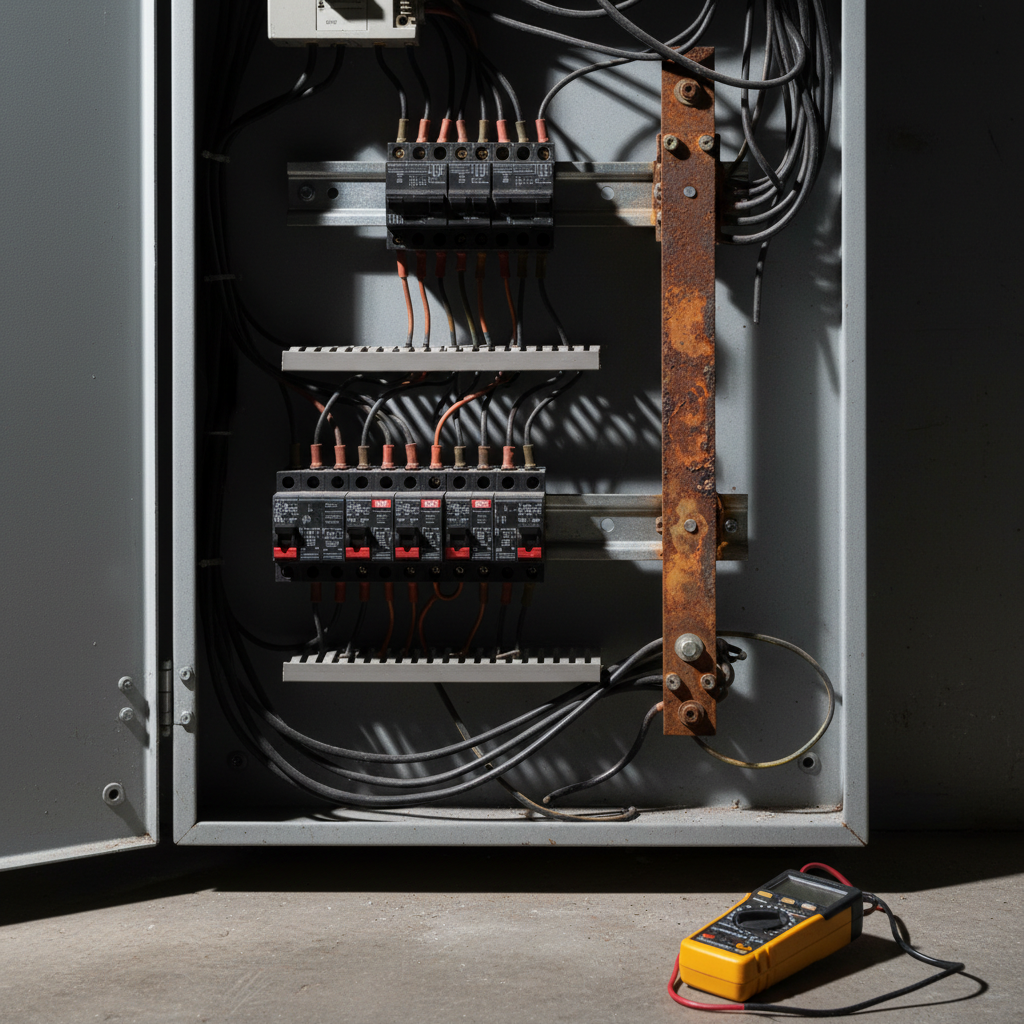
Identifying the limit of your electrical system often happens through subtle malfunctions before a total failure occurs. While some issues require targeted repairs, persistent symptoms usually indicate that your current infrastructure cannot handle your household load. Recognizing these signs early is critical for preventing fire hazards and protecting sensitive electronics.
Frequent Breaker Trips: If running a vacuum or a high-wattage kettle consistently shuts off power to a room, your circuits are overtaxed. This happens because the demand exceeds the breaker's rated capacity; it is a clear sign that you need more dedicated circuits or a higher overall service rating.
Flickering or Dimming Lights: When large appliances like a refrigerator or air conditioner compressor kick on, they draw a momentary surge of current. If your lights dim during this cycle, your panel is likely struggling to distribute power effectively, indicating inadequate headroom for the home's peak demands.
Physical Damage and Odours: Inspect your panel for scorch marks, rust, or a distinct ozone smell, which often resembles burning plastic. Rust suggests moisture ingress, which can corrode internal bus bars, while burning smells indicate active arcing and a high risk of fire.
Legacy Fuse Boxes: While common in older Toronto pockets, fuse boxes are fundamentally outdated. They were not designed for modern power consumption and often lead to unsafe DIY fixes, such as over-fusing, which can lead to overheated wiring.
Excessive Heat: An electrical panel should be cool to the touch. If the cover plate feels warm or hot, it suggests loose connections or internal components that are operating dangerously close to their thermal limits.
It is important to differentiate between a simple repair and a full service upgrade. Replacing a single faulty breaker or tightening a lug is a basic maintenance task. However, a residential electrical panel upgrade Toronto homeowners require for modern living typically involves comprehensive electrical panel upgrade services. This process replaces the entire enclosure and internal components to increase capacity, providing the necessary foundation for other residential electrical services such as high-output appliance circuits or a dedicated EV charger installation in Toronto.
100 Amp vs 200 Amp Service: Which Do You Need?
Determining the right capacity for your home requires understanding electrical headroom, which is the maximum simultaneous power draw your system can handle safely. A 100 amp service provides approximately 24,000 watts. While this was the standard for decades, modern consumption patterns quickly push this limit. Doubling that capacity to a 200 amp service provides 48,000 watts, offering the essential buffer needed for contemporary residential technology.
Service Rating | Total Wattage (at 240V) | Typical Application |
|---|---|---|
100 Amps | 24,000 Watts | Small homes with gas heating and no high-draw electric loads. |
200 Amps | 48,000 Watts | Homes with EV chargers, heat pumps, or secondary suites. |
For many clients seeking a residential electrical panel upgrade Toronto homeowners need to support new infrastructure, the decision is driven by specific high-demand additions. A Level 2 EV charger installation in Toronto typically draws between 30 and 60 amps on its own. If your household is already drawing significant power for a dryer or air conditioner, adding a vehicle to that load will often exceed a 100 amp threshold, causing the main breaker to trip.
Property owners developing a legal second suite or basement apartment also face unique demands. Two kitchens, two sets of laundry appliances, and additional HVAC requirements almost always necessitate a 200 amp upgrade to meet safety standards. Rather than guessing based on the size of the house, Electrovoltage performs professional load calculations. This is a technical assessment based on the Ontario Electrical Safety Code that evaluates square footage and fixed appliance loads. These calculations ensure that electrical panel upgrade services are sized correctly for your specific needs, providing a reliable foundation for all residential electrical services you may require in the future.
Residential Electrical Panel Upgrade Cost Toronto: 2026 Price Guide
The investment for a residential electrical panel upgrade Toronto residents should anticipate typically ranges from $2,500 to $4,500. This price fluctuation depends on the current state of the home's infrastructure and the specific requirements of the upgrade. Transparency is vital when reviewing quotes, as a comprehensive service involves several distinct cost pillars.
Expense Category | Estimated Cost (GTA 2026) | Includes |
|---|---|---|
Materials | $800 – $1,400 | Main panel (Eaton, Siemens, or Square D), breakers, and grounding equipment. |
Professional Labour | $1,200 – $2,200 | Expert installation, load balancing, and mandatory circuit labeling. |
ESA Permit Fees | $200 – $350 | Mandatory filing and inspection through the Electrical Safety Authority. |
Utility Service Fee | ~$678 | Toronto Hydro or Alectra disconnect and reconnect charges. |
A significant portion of the cost is dedicated to the utility provider. Toronto Hydro or Alectra typically charge a fixed fee, averaging $678, to safely disconnect power while the new system is installed. This is a non-negotiable expense for any legitimate service upgrade.
Caution is necessary when evaluating quotes that seem unusually low. These estimates often exclude the ESA permit or utility fees to make the price appear more attractive. Omitting these steps is not only illegal under the Ontario Electrical Safety Code but can also lead to homeowners' insurance denials if a claim is filed. By investing in professional electrical panel upgrade services, you ensure that all residential electrical services performed on your property are fully permitted and inspected. This documentation is essential when planning further modernizations, such as a high-output EV charger installation in Toronto, providing peace of mind that your system meets 2026 safety standards.
Panel Upgrades for EV Charging and Heat Pumps
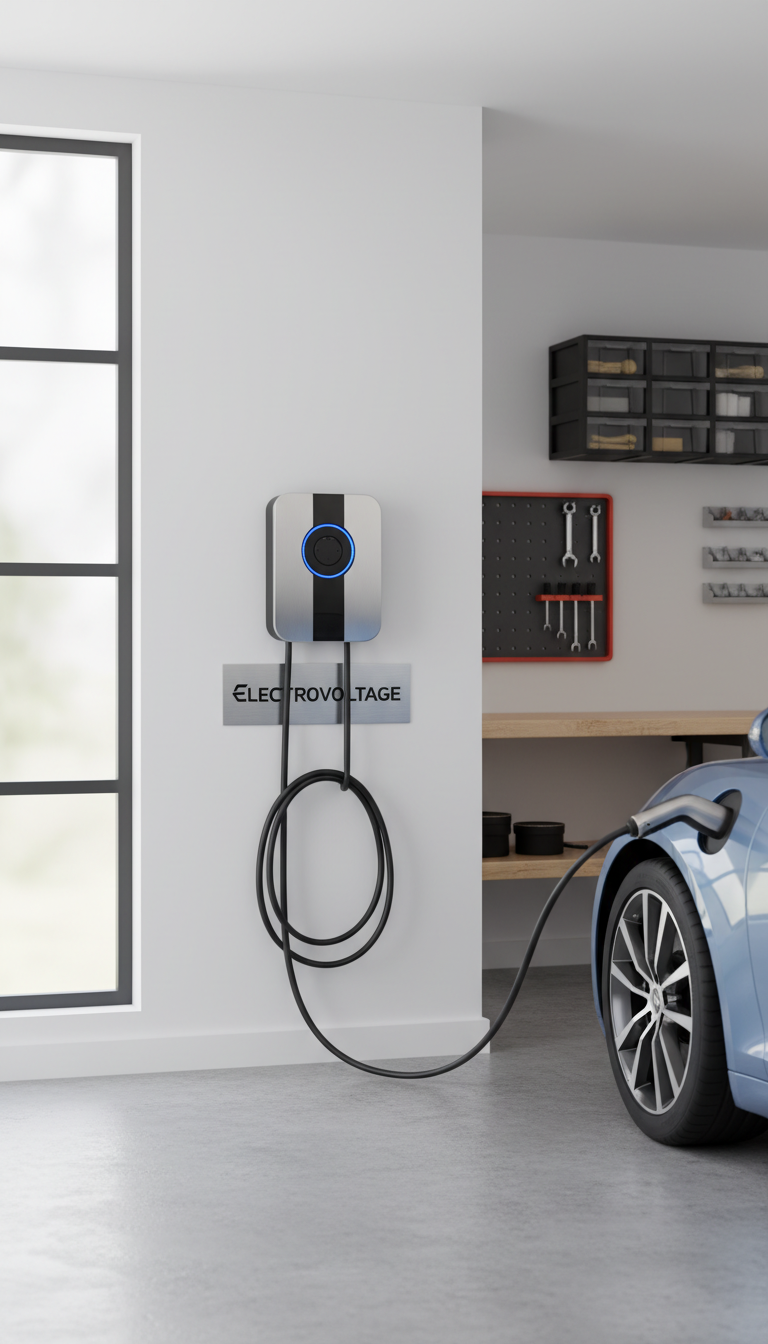
The shift toward household electrification is the primary driver for modernizing infrastructure in the GTA. Many existing 100-amp systems in the city operate near 80 percent of their rated capacity during peak evening hours when lights, ovens, and climate control are all active. Introducing an EV charger installation in Toronto adds a significant continuous load, typically 40 amps, while a cold-climate heat pump with an electric backup heater can draw upwards of 80 amps during extreme temperature drops.
This cumulative demand makes a residential electrical panel upgrade Toronto homeowners can rely on essential for maintaining system stability. Operating a panel near its limit for extended periods causes thermal stress on the bus bars and increases the risk of component failure. For properties where a full service upgrade to 200 amps is restricted by utility constraints or physical space, we often recommend electrical panel upgrade services that include smart load management. These devices, such as the DCC-9 or DCC-12, monitor total household consumption and can temporarily shed power to the EV charger if the main breaker is at risk of tripping. While load management is a viable technical solution, most residential electrical services aim for a full capacity increase to provide the most flexible and future-proof power supply for the next several decades.
The Upgrade Process: What to Expect on Installation Day
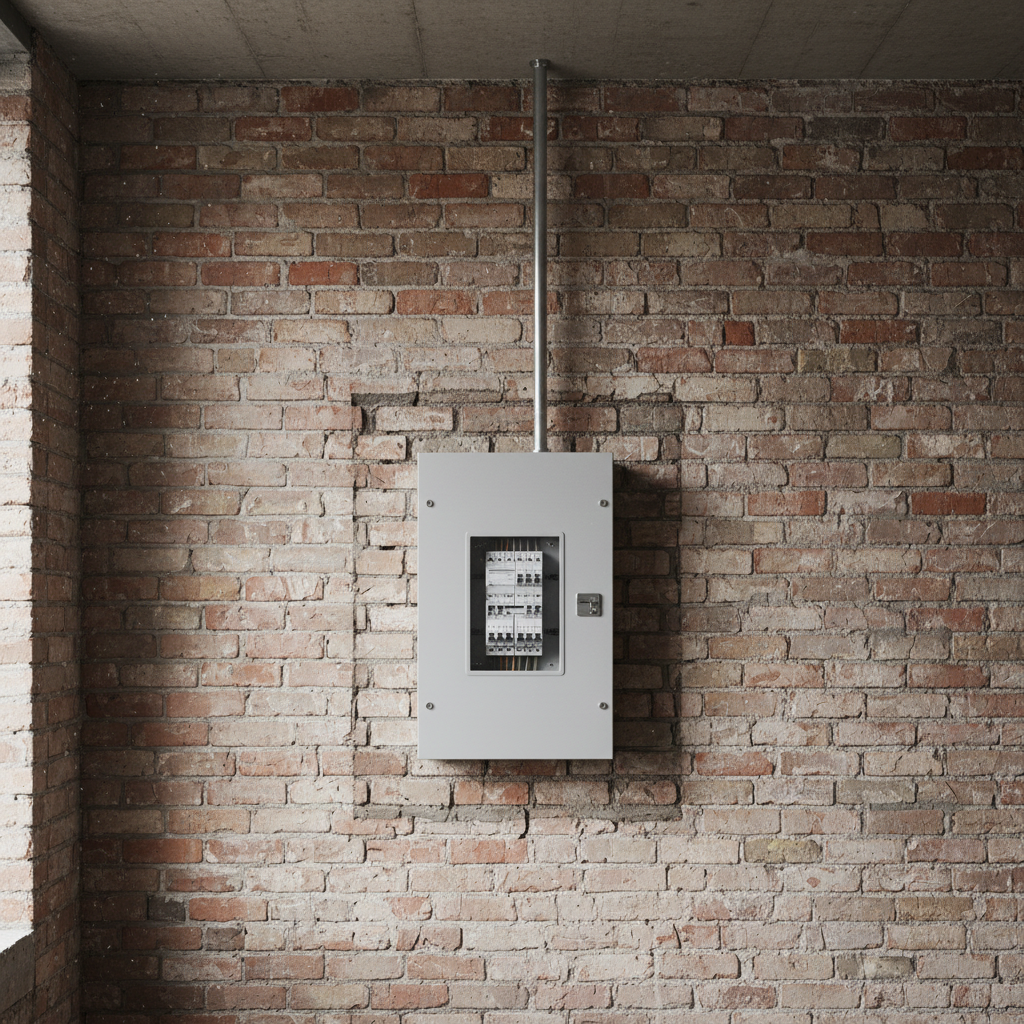
Executing a residential electrical panel upgrade Toronto homeowners can rely on requires a coordinated sequence of events involving our team, the utility provider, and the Electrical Safety Authority (ESA). On the morning of your installation, we meet the Toronto Hydro or Alectra crew to perform the service disconnect at the meter or point of entry. You should plan for a power outage lasting between 4 and 8 hours; we recommend preparing by charging mobile devices and keeping refrigerators closed to maintain internal temperatures.
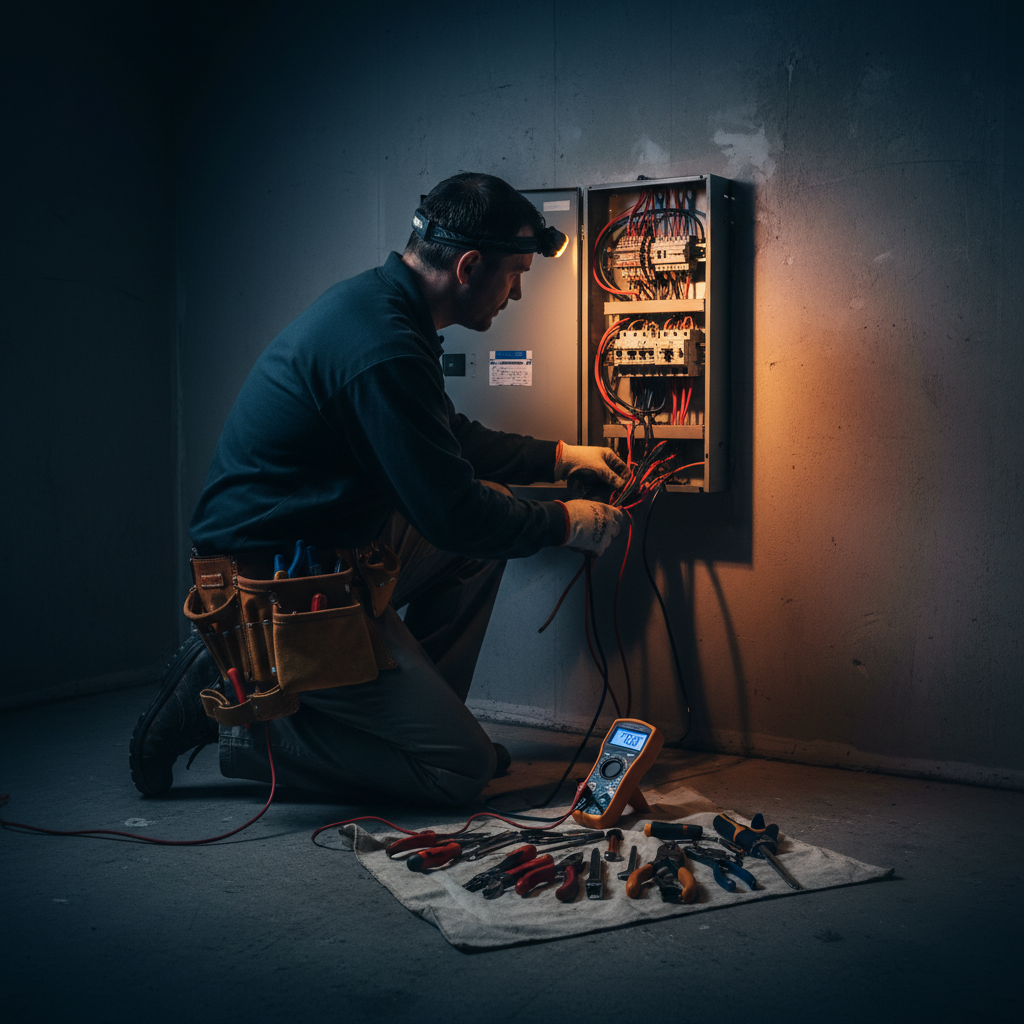
Once the power is safely isolated, our team removes the legacy unit and installs the new high capacity bus bar, circuit breakers, and updated grounding and bonding systems. This phase of our electrical panel upgrade services ensures all connections are torqued to manufacturer specifications and the load is balanced across both phases. After the installation is complete, an ESA inspector arrives to verify that the work meets all current codes. Once the inspection is passed, the utility provider restores power. Electrovoltage manages all permits, utility scheduling, and paperwork, providing a seamless transition to the robust residential electrical services your modern home demands, including future proofing for an EV charger installation in Toronto.
Frequently Asked Questions About Ontario Electrical Panels
Homeowners often ask if they can perform their own electrical panel upgrade services. In Ontario, while residents may handle some internal branch circuit wiring, service work involving the main power entry requires a Licensed Electrical Contractor. A Master Electrician must oversee the project and secure a mandatory permit from the Electrical Safety Authority (ESA). This ensures the installation is inspected and documented for safety.
An upgrade can also positively influence your home insurance. Many GTA insurers consider legacy fuse boxes a high risk; installing a modern breaker system often results in lower premiums or is a requirement for policy renewal. Furthermore, professional residential electrical services ensure your home follows the 80 percent rule. This rule dictates that continuous loads, such as those required for an EV charger installation in Toronto, should not exceed 80 percent of a circuit’s total capacity. For example, a 50 amp circuit should only carry a 40 amp continuous load to prevent thermal stress, making a residential electrical panel upgrade Toronto homeowners invest in a vital safety measure.
Ensuring your home can handle modern power demands starts with a reliable electrical system. By understanding the costs and recognizing the warning signs, you are better prepared to maintain your property. Electrical safety is complex; therefore, professional oversight is often the best path forward. If you want expert help evaluating your home's current capacity, considering a Panel Upgrade is a practical next step. The team at Electrovoltage can assess your setup and provide the technical expertise needed to keep your Toronto home running safely and efficiently.