A commercial electrical panel upgrade Toronto typically costs between $3,500 and $15,000 depending on system size, voltage, and installation complexity. These upgrades are essential for preventing overloads and supporting modern 200 to 400 amp service requirements; furthermore, they ensure code compliance and help minimize operational downtime for businesses. Property managers can manage these costs more effectively by combining panel improvements with energy-efficient retrofits to optimize total power distribution.
Running a modern commercial facility in Toronto requires more than just square footage; it demands a robust electrical foundation. If your business is experiencing frequent breaker trips, flickering lights, or the inability to install new equipment, your electrical panel is likely the bottleneck. In a city where operational uptime is everything, an outdated system is more than a nuisance; it is a liability that risks safety and limits growth. This guide explores the critical signs that your building has outgrown its current capacity. We will break down technical Ontario standards like the 80 percent and 120 rules, provide transparent cost projections for 2026, and explain how to navigate ESA inspections. Whether you are preparing for tenant fit outs or future proofing for EV charging, understanding these infrastructure requirements is essential for maintaining a competitive, safe, and efficient commercial property.
Why Toronto Businesses are Outgrowing Their Electrical Panels
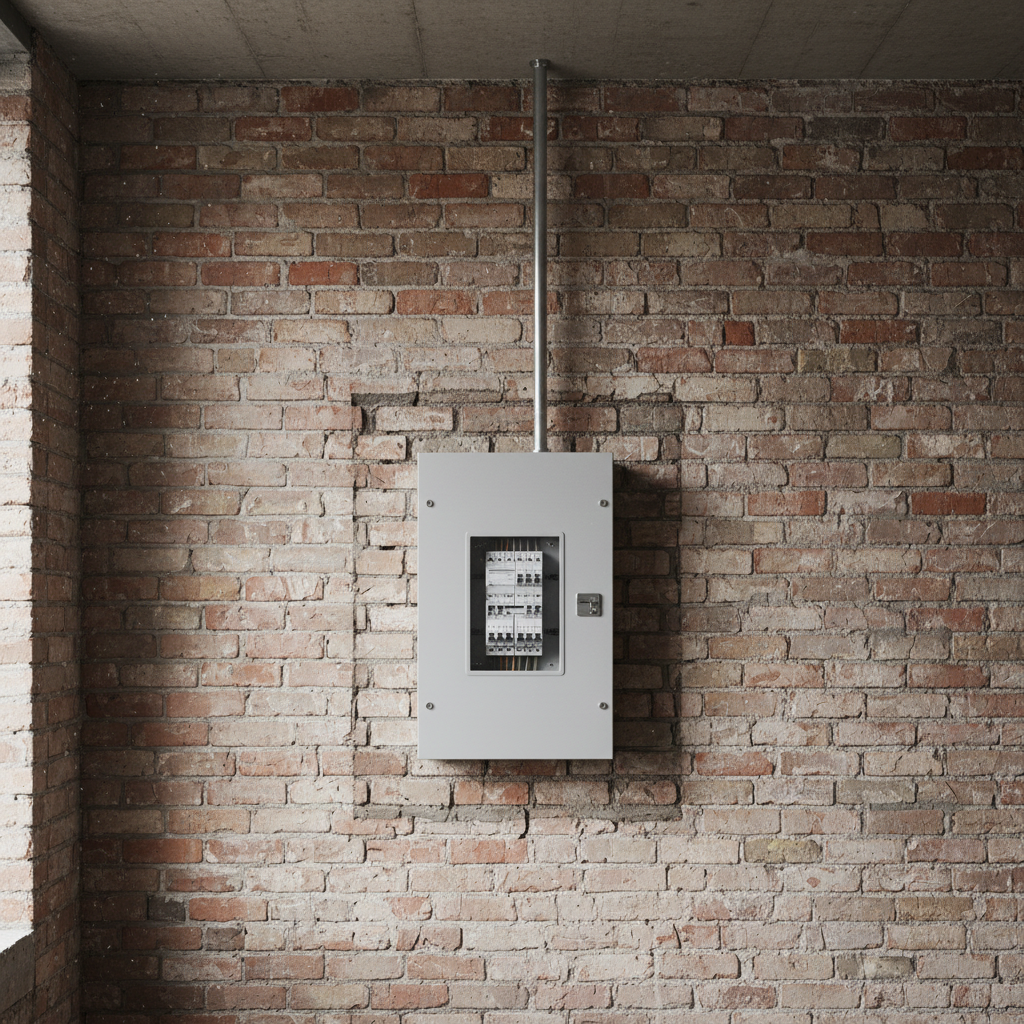
Toronto is home to a diverse architectural history, but this legacy often creates significant operational challenges for modern enterprises. In areas like the Distillery District, heritage brick and beam buildings were wired for a different era of commerce. Similarly, North York industrial parks built in the mid-20th century were never intended to support the high-density server rooms, specialized medical equipment, or the heavy continuous loads required by modern EV charger installations.
As businesses adopt sophisticated HVAC systems and intensive digital infrastructure, the original electrical service often becomes a bottleneck. A professional panel upgrade involves more than just swapping out old breakers. It is a comprehensive modernization of the building's power distribution system, designed to increase total amperage and accommodate the high-draw demands of contemporary technology.
This upgrade should be viewed as a strategic investment in business continuity rather than a simple repair expense. When a panel operates near its maximum capacity, it generates excess heat and risks catastrophic failure. For property managers, securing high-quality commercial electrical services to address these capacity issues is essential for tenant retention. An upgraded panel provides the stability needed to prevent nuisance tripping and voltage fluctuations that can damage sensitive hardware. By proactively expanding electrical capacity, Toronto businesses ensure their infrastructure can support growth and comply with modern safety standards before an emergency shutdown occurs.
Key Signs Your Commercial Building Needs a Capacity Increase
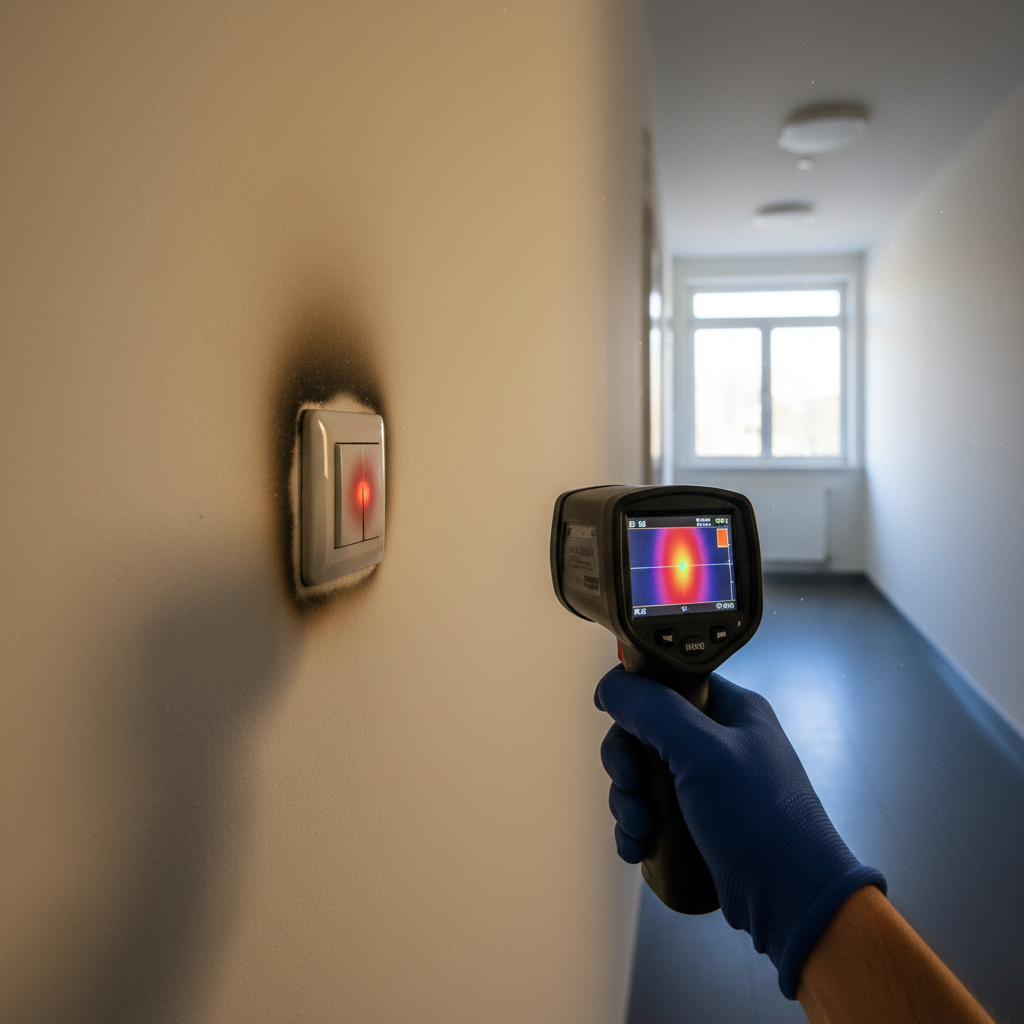
Identifying the precursors to a system failure is the primary way to determine if a commercial electrical panel upgrade Toronto businesses require is a matter of immediate safety or planned maintenance. While residential issues often manifest as simple flickering lights, commercial symptoms are far more disruptive and costly. Nuisance tripping, where breakers shut down during peak operating hours, is the most common indicator that your current infrastructure cannot handle the simultaneous load of high-performance HVAC systems, industrial machinery, and modern office tech. These interruptions do more than just halt production; they can corrupt data on local servers and cause expensive damage to sensitive electronics.
In a high-voltage commercial environment, physical signs of distress must be taken seriously. A panel that feels warm to the touch or emits a low-frequency buzzing or humming sound indicates that current is struggling to pass through overloaded components or loose connections. This resistance generates heat, which is the leading cause of electrical fires in GTA commercial properties. If you notice a distinct ozone smell or see discolouration on the breaker busbar, the system is already in a state of active failure. Relying on commercial electrical services for a thorough inspection is critical at this stage to prevent a total facility blackout.
Electrovoltage utilizes advanced diagnostic tools, including thermal imaging, to identify these risks before they manifest as emergencies. Thermal imaging allows our technicians to visualize hotspots within the panel that are invisible to the naked eye, pinpointing exactly where the distribution system is over-stressed. This proactive approach ensures that a professional panel upgrade is based on precise data rather than guesswork. By detecting these anomalies early, property owners can schedule upgrades during off-peak hours, avoiding the chaos of an unplanned shutdown and ensuring the building is ready for future high-draw additions like EV charger installations.
The 80 Percent and 120 Rules: Technical Standards for Ontario Commercial Panels
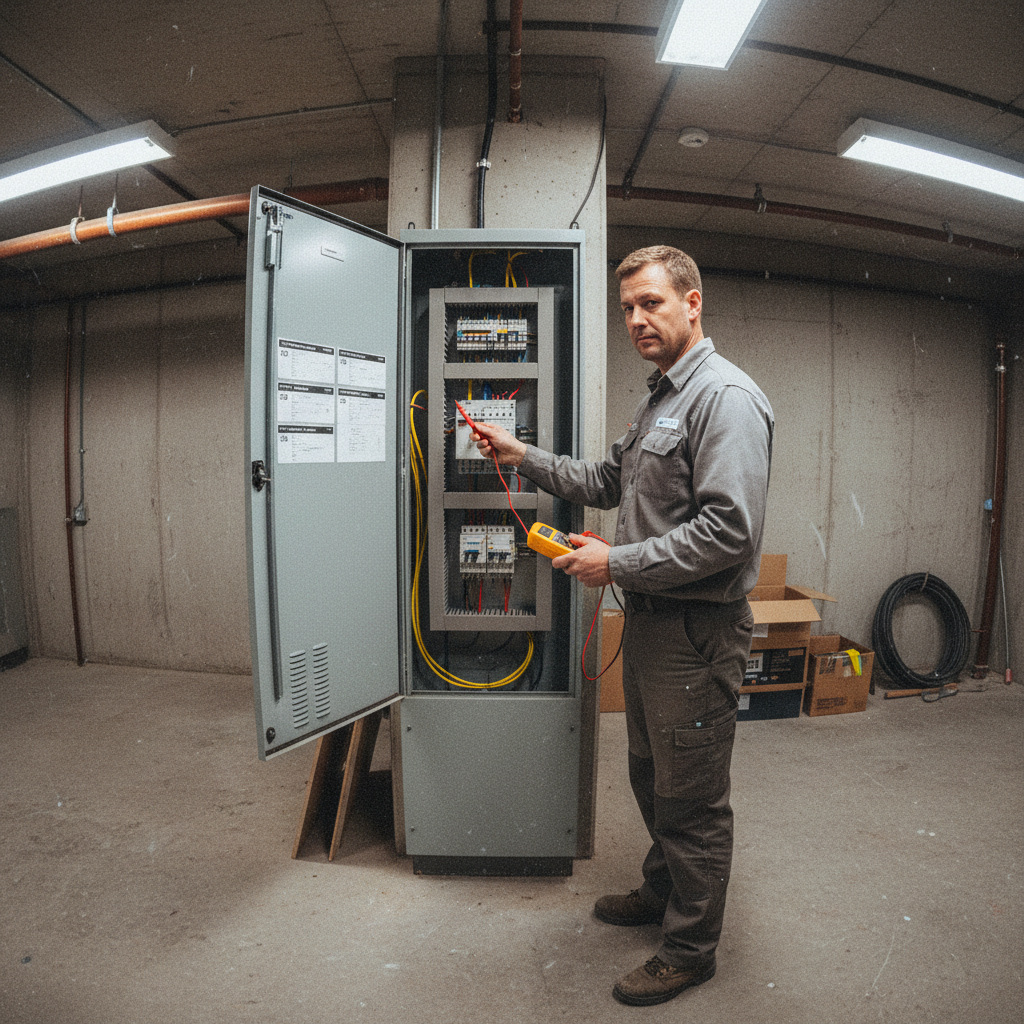
Navigating the technical requirements of the Ontario Electrical Safety Code (OESC) is a core component of any commercial electrical panel upgrade Toronto property owners undertake. A fundamental principle is the 80 percent rule, which states that a circuit breaker should not be loaded to more than 80% of its rated capacity for continuous loads. In a commercial environment, continuous refers to any load expected to run for three hours or more, such as office lighting, server racks, or HVAC systems. If a 200 amp service is pushed to 190 amps during the workday, it risks tripping or sustaining heat damage; therefore, commercial electrical services prioritize precise load calculations to ensure the system operates within these safety margins.
For businesses looking to integrate renewable energy or backup systems, the 120 percent rule becomes relevant. This standard allows the sum of the power sources, specifically the main utility breaker and a secondary source like a solar inverter, to equal 120% of the busbar’s rating. This rule provides the necessary flexibility to incorporate sustainable technology or advanced EV charger installations without immediately requiring a massive busbar replacement, provided the interconnection is handled at the opposite end of the bus.
It is also vital to distinguish between residential and commercial hardware. Commercial panels are engineered for higher Available Interrupting Capacity (AIC), meaning they can safely quench much higher fault currents than home systems. Utilizing a residential grade panel in a commercial setting is a direct code violation in Ontario. Commercial units typically utilize bolt-on breakers rather than plug-on versions to ensure more secure mechanical connections. A professional panel upgrade ensures the installation uses equipment specifically rated for the high duty cycles and fault current levels found in GTA commercial corridors.
Commercial Panel Upgrade Costs in Toronto for 2026
Estimating the investment for a commercial electrical panel upgrade Toronto businesses require in 2026 depends heavily on the existing infrastructure and the targeted final capacity. For most small to mid-sized properties, pricing is categorized by the total amperage and the complexity of the distribution system.
Service Type | Capacity | Estimated Cost Range (2026) |
|---|---|---|
Small Commercial / Retail | 200 Amp | $3,500 – $6,500 |
Medium Office or Warehouse | 400 Amp | $7,000 – $12,000 |
Industrial / High-Density | 600 Amp+ | $15,000+ |
Several specific factors drive these costs beyond the hardware itself. Toronto Hydro charges disconnect and reconnect fees to safely isolate the building from the municipal grid; these fees vary depending on whether the service is overhead or underground. Mandatory ESA permit fees are also required for all commercial electrical services to ensure the installation is legally recorded and inspected. Additionally, the use of specialized equipment, such as high-interrupting capacity bolt-on breakers and heavy-duty copper busbars, adds to the material costs compared to standard residential components.
The logistical complexity of the shutdown also impacts the final price. Coordinating a total power outage in a multi-tenant building often requires specialized scheduling or off-hours labour to prevent operational disruptions. While the initial expense of a professional panel upgrade is substantial, the long-term ROI is found in avoiding emergency downtime. A single unplanned blackout during peak hours can cost a business more in lost revenue than the entire price of the upgrade. Proactively increasing capacity also readies the site for future EV charger installations, allowing property managers to avoid the inflated costs of emergency infrastructure retrofits later on.
Future Proofing for EV Charging and Tenant Fit Outs
Investing in a commercial electrical panel upgrade Toronto property owners prioritize is often the difference between a vacant unit and a long-term lease. Modern commercial tenants, especially in the tech and hospitality sectors, require significantly more power than their predecessors. When a new restaurant or retail boutique moves into a managed space, the kitchen equipment or specialized lighting often exhausts the existing capacity immediately. This makes the electrical panel the primary bottleneck during a tenant fit-out; proactively increasing amperage prevents the weeks of project delays caused by waiting for utility disconnects and equipment lead times during a renovation.
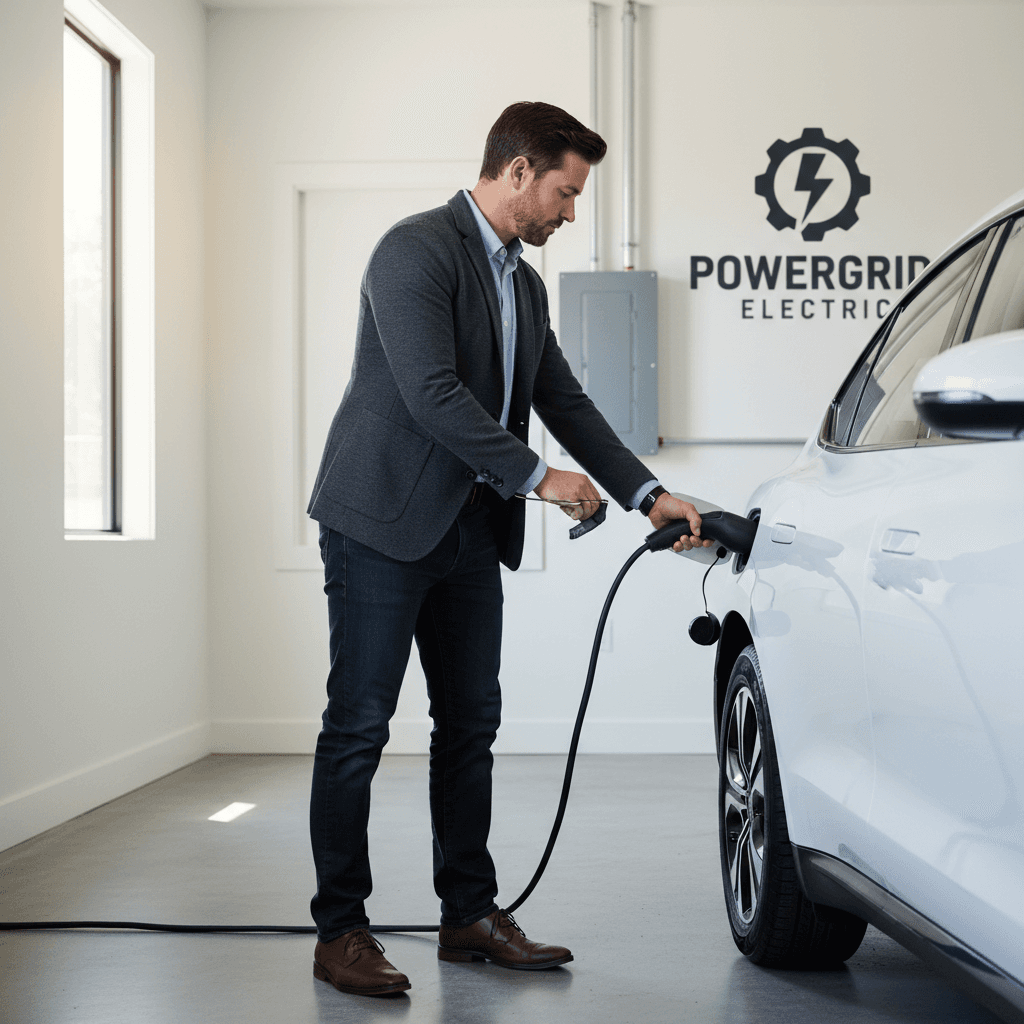
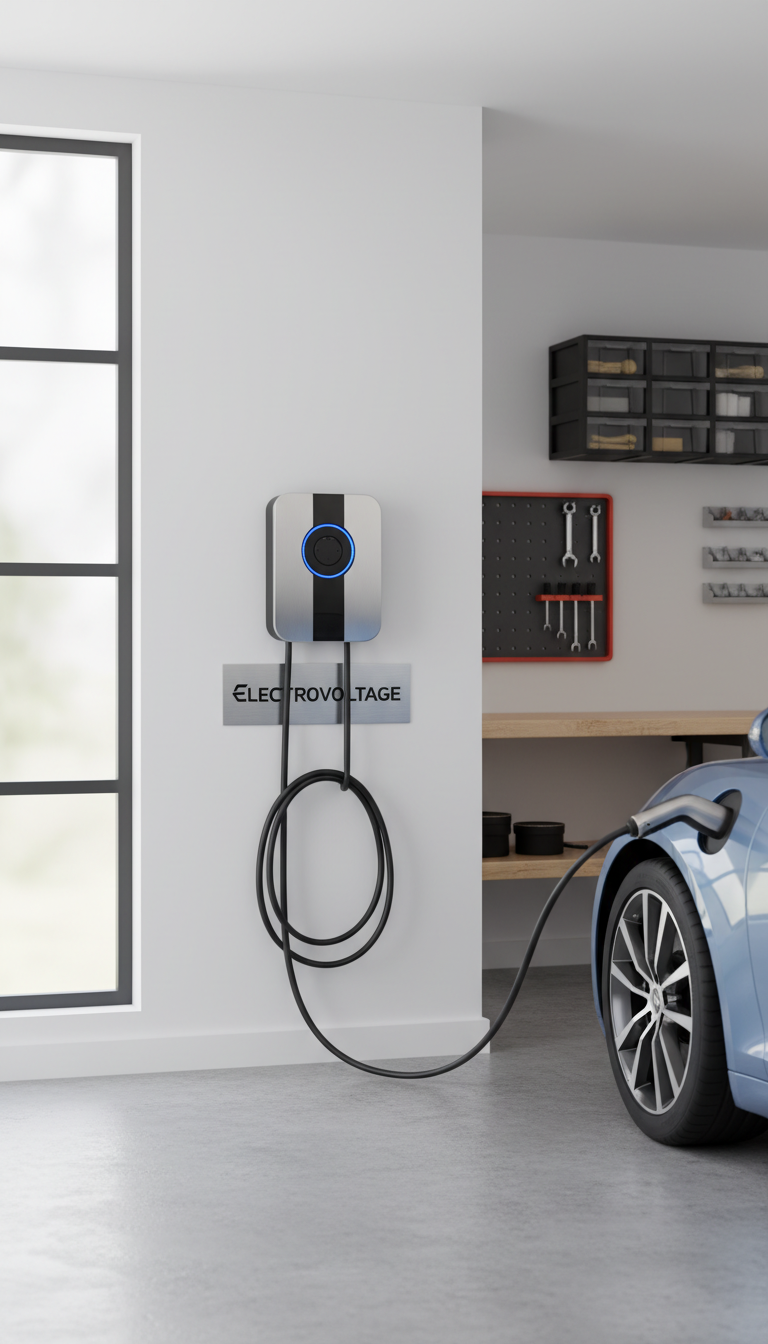
The demand for EV charger installations has also transformed from a luxury amenity into a standard requirement for GTA commercial real estate. Integrating multiple Level 2 charging stations requires a substantial amount of dedicated power. Without a professional panel upgrade, most existing 200 amp or 400 amp services cannot support a fleet of chargers alongside high-performance HVAC systems. Scaling up the distribution system now ensures the building can accommodate the 2035 zero-emission mandates while attracting high-quality tenants who prioritize sustainable infrastructure. Utilizing commercial electrical services to plan these capacity increases before they are needed avoids the inflated costs of emergency retrofits and ensures the building remains competitive in a rapidly evolving market.
Navigating Ontario Electrical Safety Code and ESA Inspections

Compliance with the Ontario Electrical Safety Code (OESC) is a non-negotiable aspect of any commercial electrical panel upgrade Toronto properties undergo. The regulatory process begins with a 'Notification of Work' filed with the Electrical Safety Authority (ESA). This application ensures that the project is officially recorded, scheduled for inspection, and tracked for safety compliance. Skipping this step not only violates provincial law but also risks significant fines and the immediate disconnection of power by the utility.
One of the most frequent points of failure during inspections involves workspace clearances. Under the OESC, commercial panels must maintain a dedicated clear space to ensure technician safety during maintenance or emergencies. This requires a minimum depth of one meter, approximately 39 inches, in front of the equipment and a width of at least one meter, or the width of the equipment itself, whichever is greater. This space must remain unobstructed by storage, HVAC ducts, or structural pillars, a common challenge in dense Toronto commercial footprints.
Furthermore, Ontario law mandates that only a Licensed Electrical Contractor (LEC) can perform commercial electrical services for hire. Hiring an unlicensed individual for a professional panel upgrade can void your commercial insurance policy in the event of a fire or equipment failure. An LEC carries the necessary liability insurance and WSIB coverage, providing the ESA Certificate of Acceptance required to verify the site’s safety to insurers and stakeholders. This certification is also essential when documenting infrastructure improvements for future EV charger installations.
What to Expect During the Installation Process
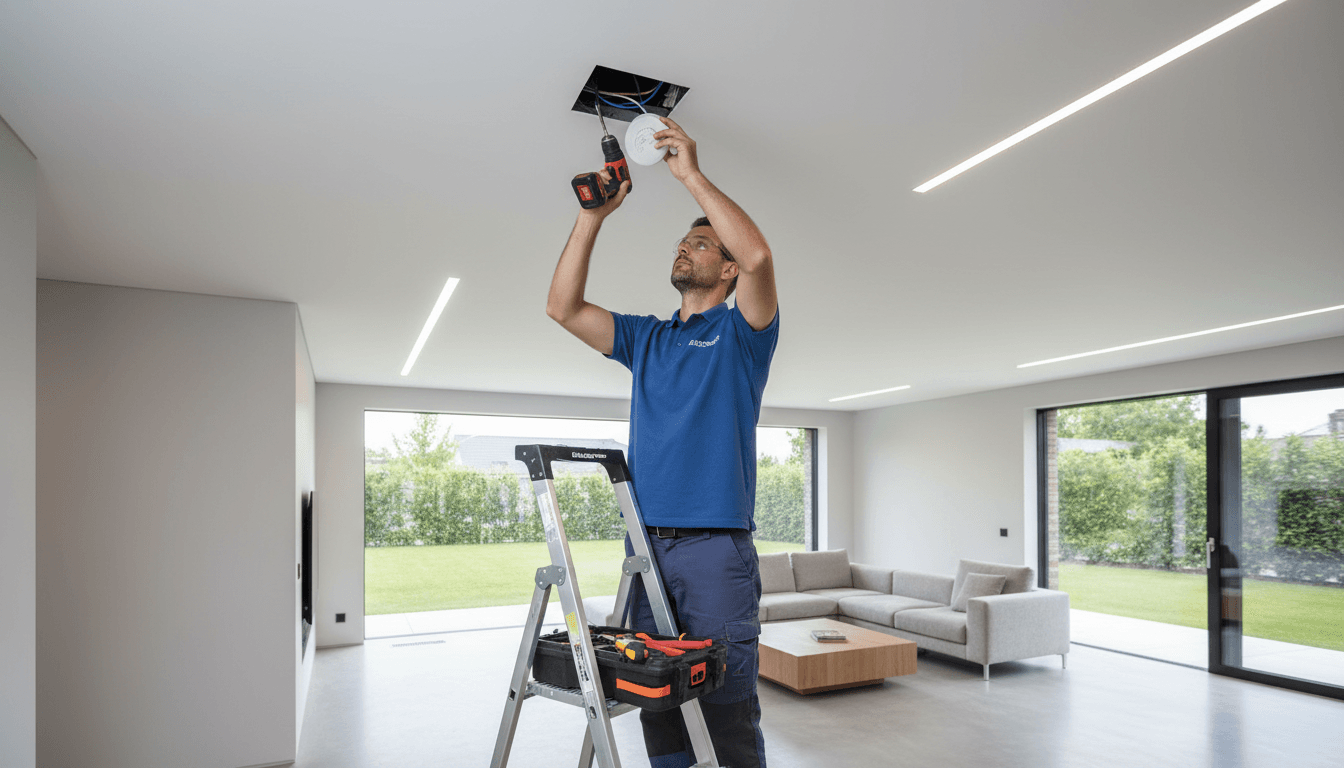
A successful commercial electrical panel upgrade Toronto project begins with a rigorous engineering phase. Electrovoltage technicians first perform detailed load calculations to determine exactly how much capacity your facility requires for its current commercial electrical services and future growth. Once the design is finalized, we manage the logistics of coordinating with Toronto Hydro for the isolate and reconnect process. This step is critical; it ensures the building is safely powered down so our team can perform the high-precision physical swap of the busbars and breakers.
To minimize operational downtime, we often schedule the most intensive work during off-peak hours or weekends. During the installation, we replace the aging unit with a professional panel upgrade featuring bolt-on breakers for superior reliability. The process concludes with a final inspection by the Electrical Safety Authority (ESA). This verification ensures all work meets the OESC and provides the documentation needed for insurance and future EV charger installations. Our streamlined workflow ensures your business regains power as quickly as possible, with a modernized system ready for immediate use.
Ensuring your electrical system is up to date is a vital step in maintaining a safe and efficient workplace. As Toronto businesses continue to evolve, having a reliable power supply becomes essential for lasting success. While identifying the need for an upgrade is a great start, the execution requires technical precision and adherence to local codes. If you want expert help with your Commercial electrical needs, our team at Electrovoltage is ready to ensure your property remains powered safely and reliably.